

Global Broker Regulation Inquiry App
About WikiFX
English
简体中文
繁體中文
English
Pусский
日本語
ภาษาไทย
Tiếng Việt
Bahasa Indonesia
Español
हिन्दी
Filippiiniläinen
Français
Deutsch
Português
Türkçe
한국어
العربية
Why High Broker Rebates and Weak Licenses Drain Beginner Accounts
Abstract:Beginner traders often fall for shadow platforms promising high trading rebates or displaying misunderstood regulatory licenses. This article breaks down the different levels of regulatory tiers and explains why unusually high bonus offers are a major warning sign. The main takeaway is to understand exactly what a broker's license covers and to verify their real background before depositing any funds.
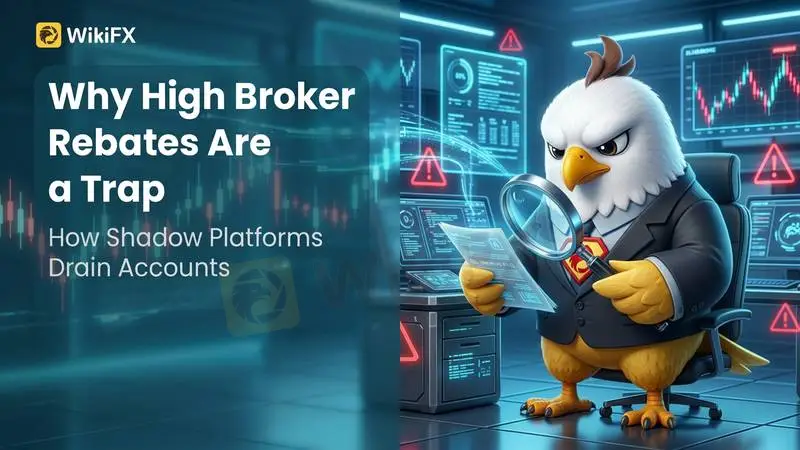
Many new traders worry about the legality of trading currencies, especially when stories surface about someone losing large sums or even facing legal trouble. The foreign exchange market itself is a neutral, global network. The real danger lies in unregulated shadow platforms that use the market as a cover to steal deposits.
Understanding how these platforms operate, how they twist regulatory facts, and how they use marketing traps can save you from becoming the next victim.
Not All Regulatory Licenses Offer the Same Protection
Beginners often look at a broker‘s website, see the logo of a well-known regulator like the UK’s Financial Conduct Authority (FCA), and immediately feel safe. However, a logo does not mean your money is protected. Regulators issue different levels of licenses, and understanding them is crucial.
Using the FCA as an example, there are three distinct license types a broker might hold:
EEA Authorised
Under European Economic Area rules, a license from one member country is recognized by others. Brokers registered in smaller jurisdictions might legally accept UK clients, but they are not actually regulated by the FCA. They cannot hold client money, and your funds do not receive compensation protection.
Basic License
This is often given to “white label” brokers—companies renting trading software from larger institutions. While they comply with certain rules, a basic license usually means the broker is not authorized to hold client funds.
Full License
This is the standard you want. A broker with a full license has passed strict audits and is required to hold significant capital reserves. More importantly, they are legally permitted to hold client funds, and as a retail trader, your capital is protected under financial compensation schemes if the broker goes bankrupt.
The Trap Behind High Trading Rebates and Welcome Bonuses
Brokers and their marketing agents often try to attract beginners using “rebates” (返佣) and welcome bonuses.
A rebate means the broker gives you back a portion of the spread. The spread is the difference between the buy and sell price of a currency pair, and it acts as your transaction cost. Some agents offer massive rebates to convince you to open an account through their specific link.
If the rebate seems unusually high, the broker likely widened your spread in the first place. You might think you are getting free money, but your actual cost of trading has just increased.
Bonuses work similarly. Unregulated platforms offer huge deposit bonuses to trap your initial capital. They do not mind giving you a “100% bonus” on your screen because their terms and conditions, or their sheer lack of regulation, will ensure you are never allowed to withdraw your actual cash. You eye the bonus, but they eye your capital.
Segregated Accounts vs. Private Bank Transfers
You can often spot a fake platform at the exact moment you try to fund your account.
Legitimate brokers are required to use segregated accounts. This means your trading capital is kept in a specialized bank account completely separate from the broker's own operating money. If the broker faces financial trouble, your deposit remains safe in the custodial bank.
When an unregulated shadow platform asks for a deposit, they will often instruct you to transfer your Ringgit into the personal bank account of a private individual or an unrelated domestic trading company. If a broker cannot provide a proper corporate bank account under their own registered name, stop the transaction immediately.
What to Do If You Realize You Are Trapped
Sometimes investors only realize a platform is fake when their withdrawal requests are repeatedly denied, or when their account suffers massive losses due to abnormal platform slippage (when your trade is executed at a much worse price than you requested).
If this happens, act quietly. Do not immediately threaten the platform, as they might just delete your account and disappear. Save all chat records, email histories, and transaction receipts with the agent or the “analyst” who told you what to trade. These conversations show the entire mechanism of the deception and serve as the most critical evidence if you need to report the platform to the police or seek out a professional asset recovery service.
Protecting your capital starts long before you place your first trade. Take a moment to check a broker's exact license limits, read up on real user experiences, and verify their regulatory status on the WikiFX app so you can trade with a secured entity rather than a shadow platform.

Disclaimer:
The views in this article only represent the author's personal views, and do not constitute investment advice on this platform. This platform does not guarantee the accuracy, completeness and timeliness of the information in the article, and will not be liable for any loss caused by the use of or reliance on the information in the article.
WikiFX Broker
Latest News
D Prime Review: Regulation, Licences and WikiScore Analysis
 WikiFX
NEWS Review 2026: Is this Forex Broker Legit or a Scam?
WikiFXBroker Minimum Deposits and the Reality of Account Setup
WikiFXT4Trade Regulation Review 2026: Is This Broker Safe or a Scam?
WikiFXIs Trader's Way Regulated? The 2026 Truth About its Licenses and Corporate Warnings
WikiFXSpread Co Review 2026: Rating, License, Complaints, and Risk Signals
WikiFXVORBIX MARKETS Review 2026: Is this Forex Broker Legit or a Scam?
WikiFXTR Review 2025: Is This Forex Broker Safe?
WikiFXMan Regulation Review: Is Man Broker Safe or Risky?
WikiFXMitrade Adds UAE Category 5 Licence as Broker Presence Grows in the Gulf
WikiFXCurrency Calculator
USD

CNY
Current Rate:0
Enter amount
USD
Redeemable Amount
CNY
Calculate 