

Global Broker Regulation Inquiry App
About WikiFX
English
简体中文
繁體中文
English
Pусский
日本語
ภาษาไทย
Tiếng Việt
Bahasa Indonesia
Español
हिन्दी
Filippiiniläinen
Français
Deutsch
Português
Türkçe
한국어
العربية
Fed Beige Book: Stagflation Risks Rise as Growth Stalls While Prices Stick
Abstract:The Federal Reserve's latest Beige Book reveals a complex economic landscape for March 2026, with inflationary pressures persisting even as growth signals become increasingly mixed across districts. The report highlights a rise in the number of regions reporting flat or declining activity, complicating the central bank's policy path.
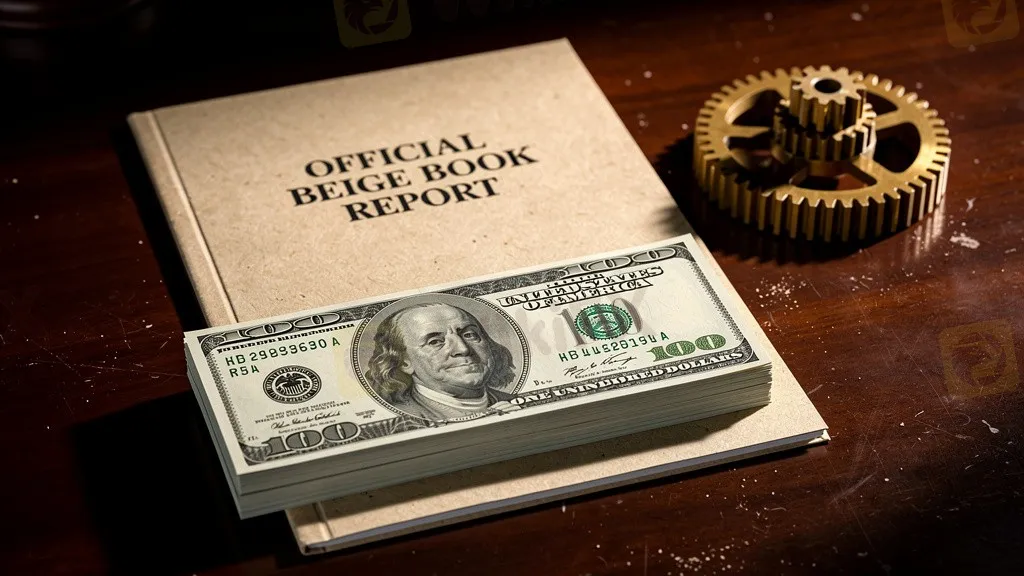
The Federal Reserve's March 2026Beige Book, a critical snapshot of economic conditions across the United States, has painted a picture of a diverging economy. While price pressures remain stubbornly evident, the breadth of economic expansion appears to be narrowing, raising concerns about potential stagflationary headwinds.
Activity Slows in Key Districts
Data collected through February 23 indicates that the economic engine is sputtering in several regions. While seven of the twelveFederal Reserve districts reported “slight to moderate” growth, the report noted a concerning uptick in underperformance:
- The number of districts reporting flat or declining economic activity rose from four to five.
- This shift suggests that the cumulative effect of restrictive monetary policy or external shocks may be weighing more heavily on output than previous data indicated.
Inflation Persists
Crucially for Forex traders, the report dampened hopes for a swift victory over inflation. Price pressures were described as “persisting” across districts, a signal that the fed funds rate may need to remain elevated despite the softening growth outlook.
Market Implications
For the US Dollar, the Beige Book presents a double-edged sword. Persistently high prices argue for a hawkish Fed stance, which is typically USD-positive. However, the creeping stagnation in economic activity undermines the “US Exceptionalism” narrative. This tension likely contributed to the Dollar's inability to rally on Wednesday, as investors weigh the risk of a policy error where the Fed is forced to keep rates high into a slowing economy.
Disclaimer:
The views in this article only represent the author's personal views, and do not constitute investment advice on this platform. This platform does not guarantee the accuracy, completeness and timeliness of the information in the article, and will not be liable for any loss caused by the use of or reliance on the information in the article.
WikiFX Broker
Latest News
MTRADING Legitimacy Check: Is This a Fake Broker or a Legitimate Trading Partner?
 WikiFX
Trilt Review 2025: Is This Forex Broker Safe?
WikiFX225 People Investigated as Singapore Losses Exceed S$4.8 Million
WikiFXLuxury Villas in Sabah Raided, 28 Foreign Suspects Arrested
WikiFXWhy Smart Beginners Keep Blowing Up Their Forex Accounts
WikiFX中海寰球 Review 2026: Severe Risk Signals and Unregulated Status
WikiFXDBinvesting Review 2026: License Status, Rating, Complaints, and Field Survey Findings
WikiFXTradeZero Review 2026: Should You Trade With This Broker?
WikiFXWhy Central Bank Speeches Shift Currencies Faster Than Rate Decisions
WikiFXDollar Slips as Jobs Data Looms
WikiFXCurrency Calculator
USD

CNY
Current Rate:0
Enter amount
USD
Redeemable Amount
CNY
Calculate 