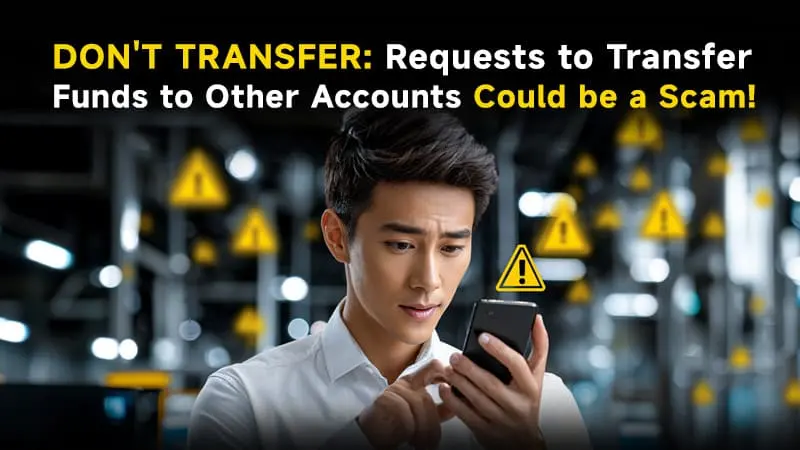
Abstract:A 45-year-old businessman has lost more than RM1.7 million in an alleged online investment scam.

A 45-year-old businessman has lost more than RM1.7 million in an alleged online investment scam.
The scheme began in October 2025 with what appeared to be a legitimate online stock trading platform advertising on Facebook. According to Milton Foo, chairman of the Public Complaint Bureau of the Sarawak United Peoples Party, the fraudsters presented themselves as a credible investment service. Their approach was deliberate and carefully planned.
After initial contact through social media, the scammers moved the conversation to WhatsApp. Instead of directing the victim to the official trading platform, they provided a separate link that operated independently. By shifting communication away from the authentic site, they removed the safeguards that might have exposed the deception.
Between November 2025 and January 2026, the businessman transferred funds in 26 separate deposits. In total, more than RM1.7 million was paid into accounts linked to the scheme. Communication took place through 11 different mobile numbers, indicating a coordinated network rather than a single operator.

This article couldve saved him from this scam:
The structure of the fraud was designed to appear professional. The operators imposed a 10 per cent commission on net profits, describing it as an administrative fee. They also claimed that taxes on the investment gains had been paid to the Inland Revenue Board on the investors behalf. These assurances reinforced the impression of regulatory compliance and operational legitimacy.
Warning signs began to surface when payments of the promised returns were repeatedly delayed. The individuals posing as administrators and customer service representatives offered explanations but failed to release funds. Eventually, communication stopped altogether. The mobile numbers were deactivated, and the chat groups associated with the scheme disappeared.
The businessman lodged a police report on 3 February 2026 after realising he had been defrauded. By then, the funds were no longer recoverable through ordinary means.
Foo has called on law enforcement authorities to investigate companies in Peninsular Malaysia that allegedly received the transferred money. He urged the police to examine the directors and owners of those entities and to pursue legal action where evidence supports it.
Fraudulent trading schemes are becoming more sophisticated, exploiting the trust investors place in online platforms and social media advertising. Familiar brand images, structured fee models and claims of tax compliance create a convincing illusion of credibility.
The risk lies in the speed and organisation of such operations. By the time doubts emerge, funds may already have been moved through several accounts, making recovery difficult. Messaging applications provide an additional layer of concealment, allowing fraudsters to operate outside regulated trading environments.
Investors must treat such developments as a serious warning. Any platform that redirects transactions away from its official website, particularly through links shared on messaging applications, should raise immediate concern. Promises of high or guaranteed returns, especially when combined with claims of pre-arranged tax payments, require careful verification.

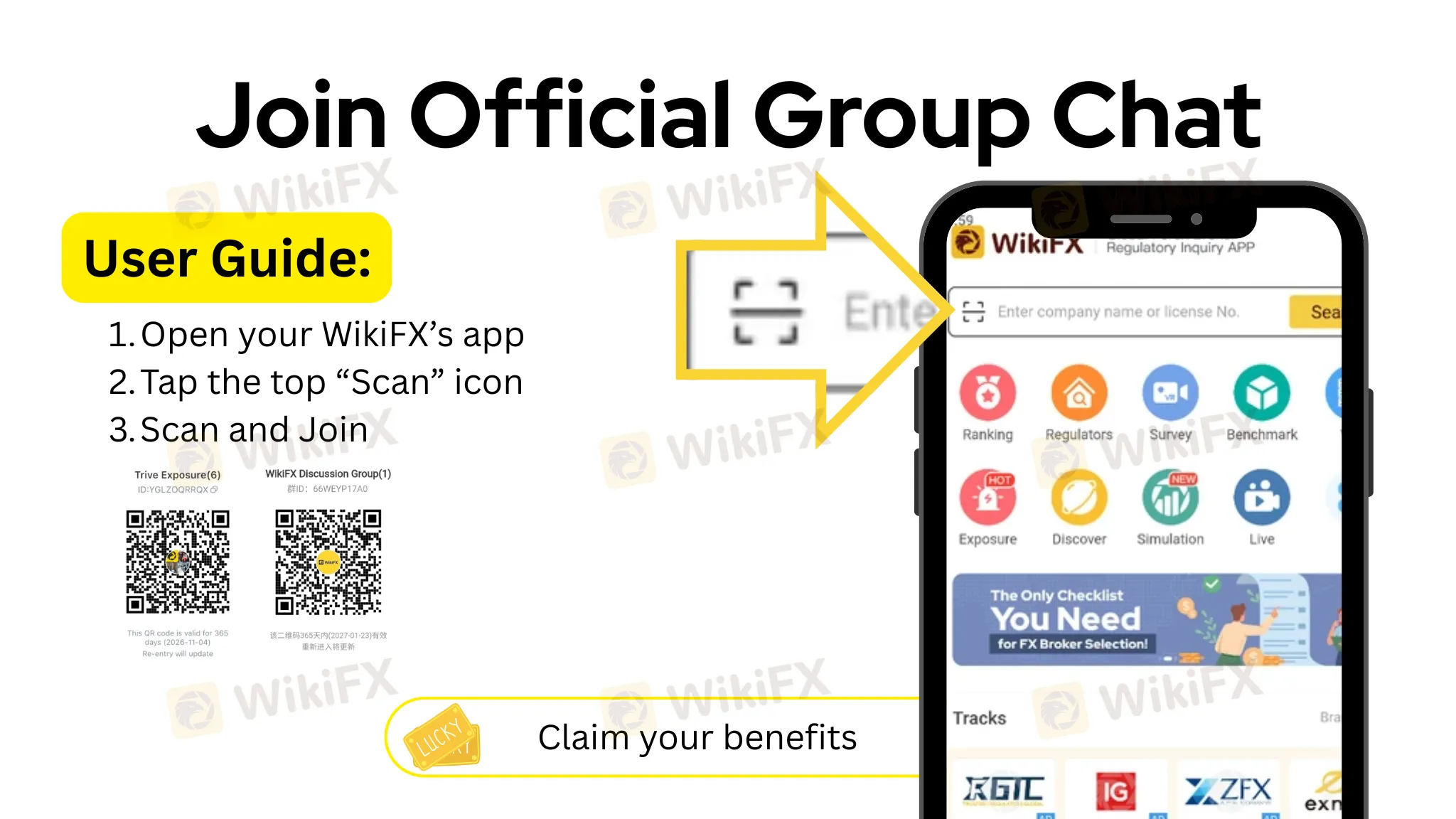
Conducting due diligence before investing is crucial, and independent verification tools such as WikiFX can be instrumental in assessing the legitimacy of brokers and investment firms. The WikiFX mobile application, available on Google Play and the App Store, provides comprehensive insights into brokers regulatory status, customer reviews, and safety ratings. By leveraging such resources, investors can make informed decisions and avoid the financial devastation caused by fraudulent schemes.