Abstract:Malaysian authorities have carried out a sudden, large-scale crackdown in Kuala Lumpur, detaining hundreds of undocumented foreigners and suspected online scam workers. The operation signals a tougher enforcement stance, with frontline operators targeted amid a broader regional push against scam networks.
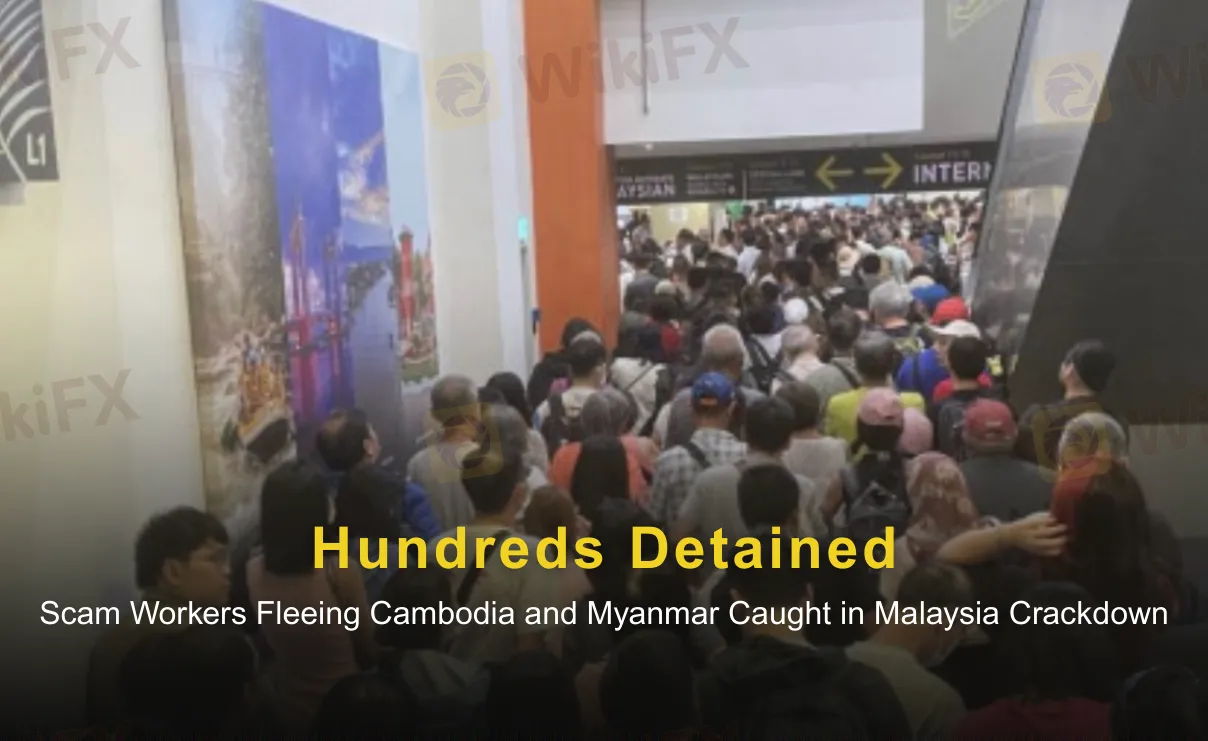
An urgent alert rippled through online communities overnight after Malaysian authorities launched a sudden, large-scale operation in Kuala Lumpur. Jalan Nanjing, an area long known for a heavy concentration of Chinese nationals and grey-market activities, was sealed off by immigration officers and police in a coordinated sweep targeting undocumented foreigners and suspected online scam workers. The operation came without warning and moved faster and harder than many expected.
As of the latest updates, several hundred people have been detained. Those stopped included individuals without passports, people found operating computers from residential units, and even short-term lodgers. In nearby Wisma Velocity, the scale was striking: four buses were filled with detainees, and when that was not enough, more transport was brought in. Shops pulled down their shutters and the area fell quiet as officers conducted door-to-door checks. Phones were unlocked and inspected on the spot; even if digital traces had been deleted, anyone without proper documents was taken in.
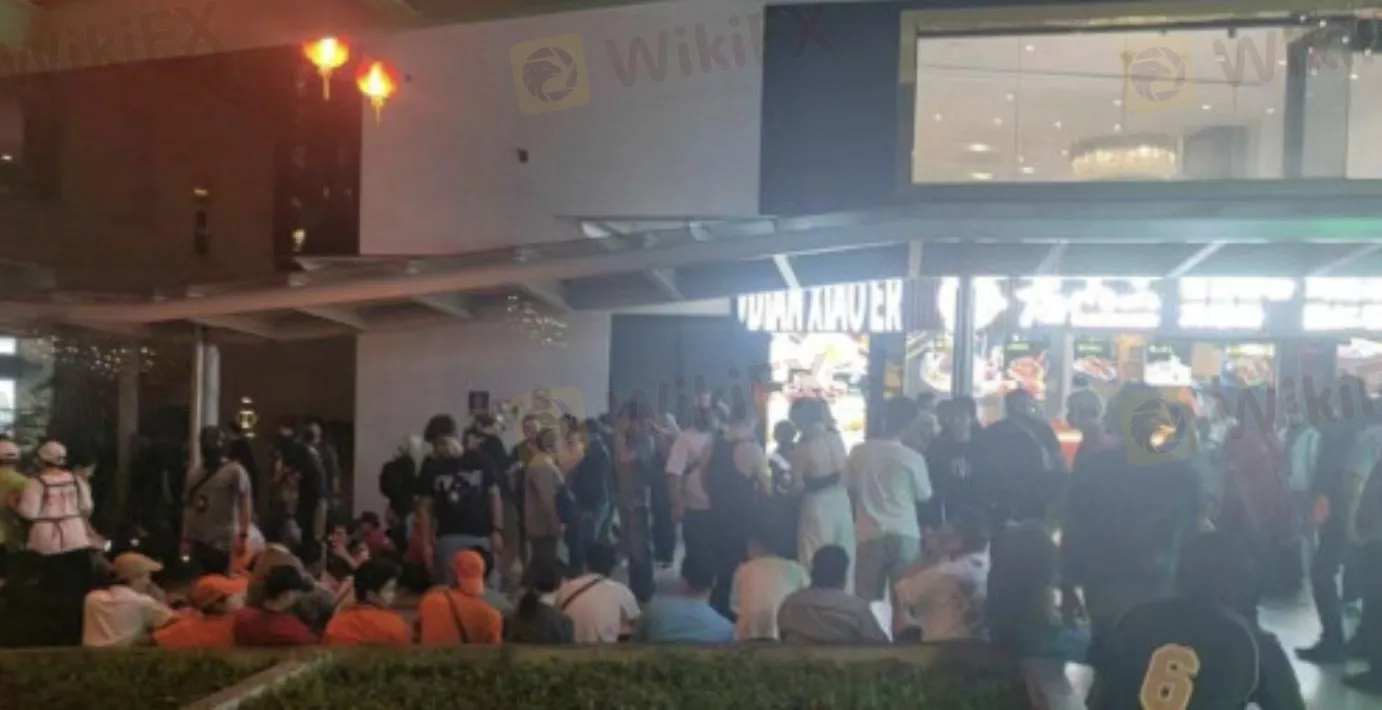
Witnesses said the operation left little room to react. Roads were blocked end to end along Jalan Nanjing, with officers searching systematically. A few people reportedly tried to flee through back alleys, only to be caught by police lying in wait. Phones dropped during arrests revealed scripts and client lists that, moments earlier, were believed to be tools for quick money but instantly became evidence.
Many of those detained are believed to have arrived recently from Cambodia and Myanmar, where scam compounds have been under sustained pressure. Some thought Malaysia, with its large Chinese community and perceived tolerance, might offer a temporary refuge. Instead, several found themselves abandoned by intermediaries and employers within days of arrival, left exposed as enforcement intensified.
The timing has raised questions, but the pattern is becoming clearer. In recent days, Malaysian police have dismantled multiple scam call centres, detained dozens of suspects, and arrested undocumented Chinese nationals in different states, including Labuan. Officials have indicated that most of those caught were frontline workers — customer service staff and promoters — rather than organisers or financiers. The latter appear to have stayed out of sight, often shielded by legal structures or connections.
Observers draw parallels with what happened in Dubai after the pandemic. For a period, authorities there tolerated grey-area activities amid economic pressures. Once conditions stabilised, enforcement tightened abruptly. Large-scale raids followed, and many low-level workers were detained while organisers quietly moved on. Malaysia, analysts say, is showing similar signs of a policy shift.
Will these recent enforcement actions put an end to investment scams and telecom fraud in Malaysia, or are they simply part of a periodic crackdown? The reality is that while such operations may disrupt syndicates in the short term, scams are unlikely to disappear entirely. Fraudsters often adapt quickly, shifting tactics or locations once the pressure eases.
That is why, regardless of enforcement efforts, individual vigilance remains crucial. Before making any investment or opening a trading account, it is essential to verify whether the broker or platform is properly regulated, read reviews from other traders, and stay informed through reliable news sources. These small but important steps can help prevent you from falling into a scam and losing your hard-earned money.
If you want to check a brokers background or read real trader reviews in one place, you can visit WikiFX. It offers a one-stop platform for regulatory information, risk alerts and user feedback, helping you make more informed and confident trading decisions.