

Global Broker Regulation Inquiry App
About WikiFX
English
简体中文
繁體中文
English
Pусский
日本語
ภาษาไทย
Tiếng Việt
Bahasa Indonesia
Español
हिन्दी
Filippiiniläinen
Français
Deutsch
Português
Türkçe
한국어
العربية
Trump's $50 Oil Gamble: Venezuela Takeover and Tanker Tensions Shake Energy Markets
Abstract:Crude markets face a complex tug-of-war as the US administration aggressively moves to control Venezuelan output to target $50 oil, while simultaneously escalating tensions with Russia via tanker seizures.
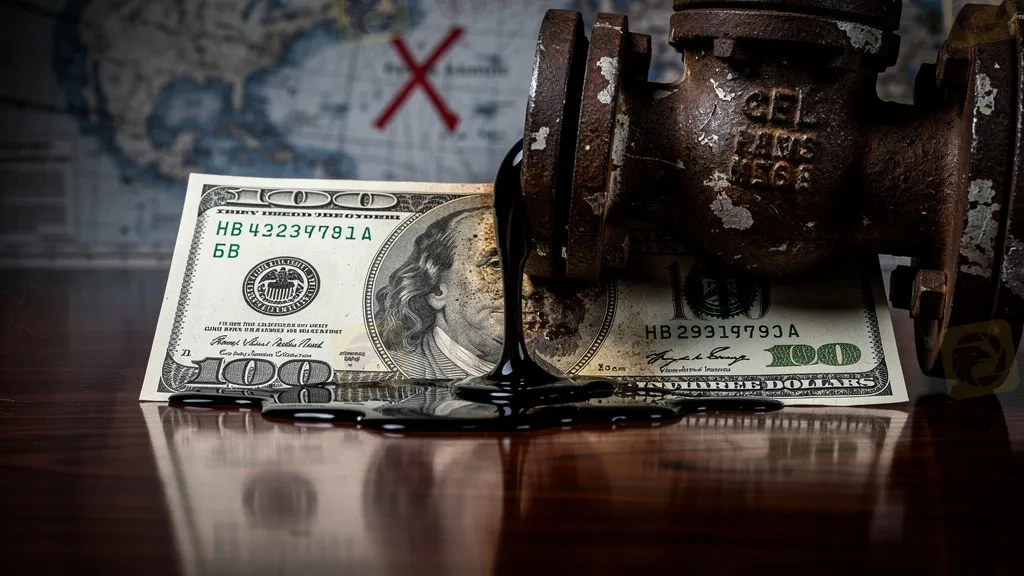
Global energy markets are digesting a high-stakes geopolitical strategy emerging from Washington, as the Trump administration executes a dual-pronged approach to force global crude prices down to a target of $50 per barrel.
The Venezuelan Pivot
Following recent US military maneuvers to secure Venezuelan leadership, the White House has initiated direct talks to assume meaningful control over the state-owned oil giant PDVSA. Reports indicate that President Trump aims to leverage Venezuela's massive reserves—the largest in the world—to flood the market and lower energy costs for US consumers.
However, the path to supply saturation is fraught with hurdles. Industry analysts warn that restoring Venezuela's dilapidated infrastructure requires tens of billions in capital expenditure. While US majors like Chevron and ExxonMobil have been summoned to the table, executive appetite for risky, long-term capex in such a volatile jurisdiction remains lukewarm.
Geopolitical Friction: The Tanker Seizure
Complicating the bearish supply narrative is the abrupt rise in geopolitical risk premiums. On January 7, US forces seized the Russian-flagged tanker “Bella 1” (renamed “Sailor”) in the North Atlantic, alleging ties to illicit Venezuelan oil trade.
Moscow has condemned the act as “piracy,” escalating tensions between the world's two largest nuclear powers. While the US administration pushes for lower prices via supply control, these aggressive enforcement actions threaten to disrupt global shipping routes and harden the resolve of OPEC+ members.
Market Outlook
For WTI and Brent, the outlook is increasingly binary. The long-term bearish thesis rests on a successful US-engineered supply glut effectively breaking the OPEC put. However, in the immediate term, the seizure of Russian assets introduces a “war risk” floor to prices, preventing a straight-line collapse to the administration's $50 target.
Disclaimer:
The views in this article only represent the author's personal views, and do not constitute investment advice on this platform. This platform does not guarantee the accuracy, completeness and timeliness of the information in the article, and will not be liable for any loss caused by the use of or reliance on the information in the article.
WikiFX Broker
Latest News
Physical Oil Surges on Gulf Blockade
 WikiFX
Why High Broker Rebates and Weak Licenses Drain Beginner Accounts
WikiFXeXcentral Broker Review: Regulation & Safety Check
WikiFX【WikiEXPO Global Expert Interview】Peng Fu: Risk Blind Spots Young Investors Need to Watch Out For
WikiFXYen Nears 160 as BOJ Waits
WikiFXSPECTRA GLOBAL Review: Regulation, Broker & Login Info
WikiFXFed Governor Waller says Iran war and labor market risks are keeping central bank on hold
WikiFXNextTrade Review: Regulation, Broker Safety & Login
WikiFXA Complete Guide to Trader's Way Fund Transfers (2026 Review)
WikiFXWhy Live Forex Trading Destroys Your Demo Account Profits
WikiFXCurrency Calculator
USD

CNY
Current Rate:0
Enter amount
USD
Redeemable Amount
CNY
Calculate 