Abstract:Chris Marco, a Ponzi scheme operator, was sentenced to 14 years for a $34 million investment fraud in Western Australia. Read about the case and its impact.
Chris Marco, a former laundromat owner turned financial fraudster, has been sentenced to 14 years imprisonment by the Supreme Court of Western Australia for orchestrating a massive Ponzi scheme that defrauded investors of over $34 million. The 67-year-old was found guilty of 43 counts of fraud relating to the illegal acceptance of funds from six investors, under the guise of exclusive private investment opportunities that never existed. This case marks one of the most severe fraud convictions in recent Australian history and highlights the devastating consequences of financial scams built on trust and deception.
The Scope of the Investment Fraud
Between 2010 and 2018, Chris Marco solicited over $253 million from more than 150 investors by promising unusually high returns through private placement programs and offshore banking schemes. However, instead of investing these funds, Marco used a classic Ponzi scheme approach—paying returns to earlier investors using the capital from new clients—thus creating a false impression of profitability. Court evidence revealed that less than 5 percent of the money was ever invested, with the bulk being used to repay previous investors or spent on personal luxuries such as real estate, rare muscle cars, collectibles, and personal expenses.
Victims were persuaded to roll over their returns into new investment cycles, further perpetuating the fraudulent scheme. One investor tragically described losing his family home and entire retirement savings as a result of Marco's deceit. The total losses suffered by the six complainants involved in the trial amounted to $34 million, with many others impacted indirectly.
Legal Proceedings and Sentencing
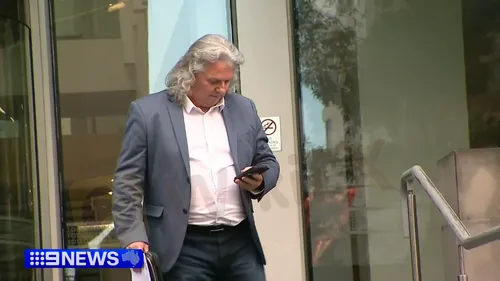
Marco was initially charged with 50 counts of fraud in 2022. After an exhaustive trial that spanned several weeks, he was convicted on 43 counts. The sentencing judge, Justice Natalie Whitby, condemned Marcos conduct as a gross abuse of trust, noting how Marco exploited personal relationships and his community standing to perpetuate the fraud. Marco will be eligible for parole after serving 12 years of his 14-year sentence, with his imprisonment term backdated to the date of his custody remand in September 2025.
The Australian Securities and Investments Commission (ASIC) played a crucial role in investigating and bringing the case to trial, which also involved collaboration with law enforcement and the Office of the Director of Public Prosecutions. ASIC Deputy Chair Sarah Court remarked that this sentence sends a strong message about the seriousness of such financial crimes and the regulators commitment to protecting investors from similar scams.
Industry Impacts and Lessons
The Chris Marco case stands as a stark reminder for investors and financial professionals about the dangers of unregulated investment schemes and the importance of due diligence. It underlines how Ponzi schemes can thrive through the manipulation of trust and false promises of high returns, often facilitated by sophisticated but ultimately fraudulent narratives.
For industry stakeholders, the case affirms the critical role of rigorous enforcement and oversight in safeguarding market integrity. It also highlights the need for continuous investor education to recognize red flags such as unrealistic returns, pressure to reinvest, and lack of transparent financial disclosures. As regulators intensify scrutiny, financial advisers and brokers must ensure compliance with licensing requirements and ethical standards to prevent enabling or inadvertently supporting fraudulent schemes.
Chris Marcos harsh sentence not only serves justice for the victims but also reinforces the vigilance required in the financial industry to detect and deter complex frauds. His downfall illustrates the severe consequences of betraying investor trust and the enduring impact of financial crime on individuals and the community.