Acetop UK Reports 2025 Loss as Trading Volumes Drop to $9.5 Billion
Acetop Financial Limited posted a £35,691 pretax loss in 2025 after revenue declined and trading volumes fell 21% to about $9.5 billion.
Original

简体中文
繁體中文
English
Pусский
日本語
ภาษาไทย
Tiếng Việt
Bahasa Indonesia
Español
हिन्दी
Filippiiniläinen
Français
Deutsch
Português
Türkçe
한국어
العربية

Abstract:Know why Forex regulations are crucial for safe trading. Discover how to verify brokers' legitimacy and avoid scams using tools like WikiFX. Stay informed and protected.
The Forex market is the world‘s largest and most liquid financial market, with daily trading volumes soaring past $6 trillion. This massive market presents countless opportunities for traders, but it also attracts bad actors looking to take advantage of unsuspecting individuals. This is why Forex regulations are so important—they act as the first line of defense against scams and fraudulent brokers. In this article, we’ll take a closer look at the role of Forex regulations, how they protect you, and why platforms like WikiFX are invaluable for verifying broker legitimacy.
Forex regulations are a set of rules and guidelines put in place by financial authorities to oversee the operations of brokers and ensure fair trading. These regulations are designed to shield traders from fraud, manipulation, and unethical practices. They also play a vital role in maintaining the integrity of the financial markets by enforcing transparency and accountability.
Regulated brokers must meet strict standards. They are required to maintain adequate capital reserves, separate client funds from company funds, and provide transparent pricing. These safeguards ensure that traders investments are protected and that brokers operate ethically.

However, not all brokers are regulated, and some may operate in regions with loose or nonexistent regulation. These unregulated brokers often lure traders with promises of low spreads, high leverage, and enticing bonuses. But behind the scenes, they may engage in dishonest practices like price manipulation, refusing withdrawals, or even outright stealing funds.
This is where understanding Forex regulations becomes crucial. Choosing a regulated broker significantly reduces the chances of falling victim to scams and sets you up for a safer and more positive trading experience.
Forex regulations differ by country, and each has its own regulatory body responsible for overseeing financial markets. Some of the most respected regulators worldwide include:
While these regulators are reputable, it‘s important to note that not all jurisdictions have equally stringent regulations. Some regions allow for looser oversight, making it easier for fraudulent brokers to operate. This is why checking a broker’s regulatory status is crucial.

Given that many brokers claim to be regulated, how can you be sure they‘re telling the truth? Here are some steps you can take to verify a broker’s legitimacy:
By following these steps, you can significantly reduce your chances of falling victim to a Forex scam.
Trading with a regulated broker comes with several advantages, including:
The Forex market offers vast opportunities, but it‘s also fraught with risks. Understanding the importance of Forex regulations and verifying a broker’s legitimacy are critical steps in protecting yourself from scams. By choosing a regulated broker and using platforms like WikiFX, you can trade with confidence and minimize your exposure to fraudulent activity.
Remember, successful trading isn‘t just about strategy—it’s about ensuring you‘re working with a trustworthy and reliable broker. Stay informed, stay vigilant, and don’t let the allure of high returns blind you to the importance of regulation. Forex regulations exist to protect you, so make sure you don‘t overlook them. Don’t get scammed—trade smart and trade safe.

Disclaimer:
The views in this article only represent the author's personal views, and do not constitute investment advice on this platform. This platform does not guarantee the accuracy, completeness and timeliness of the information in the article, and will not be liable for any loss caused by the use of or reliance on the information in the article.
Acetop Financial Limited posted a £35,691 pretax loss in 2025 after revenue declined and trading volumes fell 21% to about $9.5 billion.
YaMarkets has announced the closure of its services and operations, while its main website and B2B brand site have gone offline. WikiFX records show a Mauritius licence and business visibility across several regions.

Is it the effect of ongoing Israel-Iran-US conflict, the surging import of the yellow metal or any other economic indicators that the Indian Prime Minister made an appeal to the countrymen to stop buying gold for a year? Addressing the public rally, the PM also advised postponing travel, limiting the use of petrol, diesel and cooking oil, and transitioning to the work from home model as much as possible. He categorically mentioned: Save dollars, conserve India’s foreign exchange reserves. Read on!
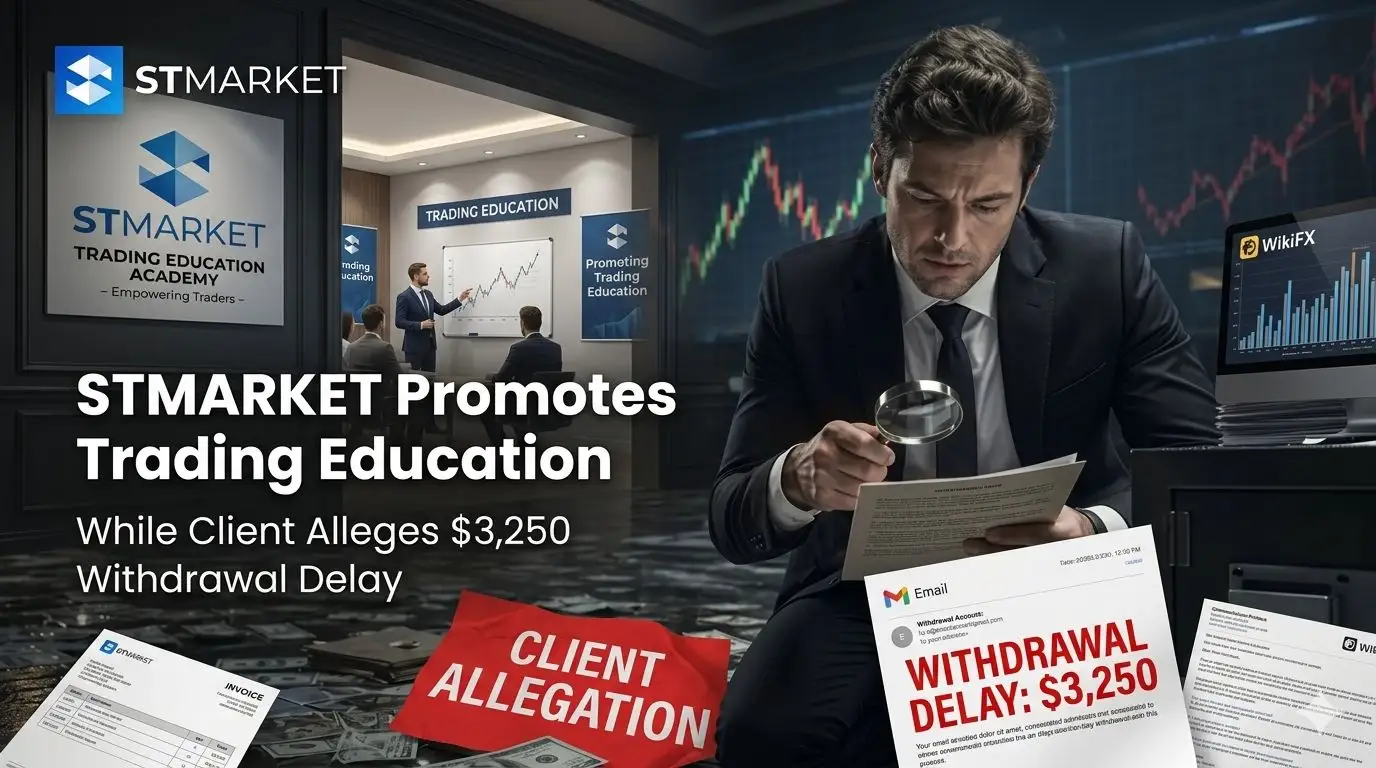
A recent complaint circulating on LinkedIn has placed broker STMarket under renewed scrutiny after a trader publicly alleged that the company withheld a withdrawal request worth US$3,250. The accusation surfaced shortly after the broker intensified its promotional activities surrounding financial education programmes in Cambodia, raising concerns among retail traders about the gap between marketing promises and customer experiences.
 WikiFXWikiFXWikiFXWikiFXWikiFXWikiFXWikiFXWikiFXWikiFXWikiFX
