Abstract:Hong Kong reinforces crypto regulations, limiting retail investors access to complex products. With a focus on safeguarding interests, the HKMA and SFC introduce measures ensuring informed and secure investments in the evolving crypto landscape.
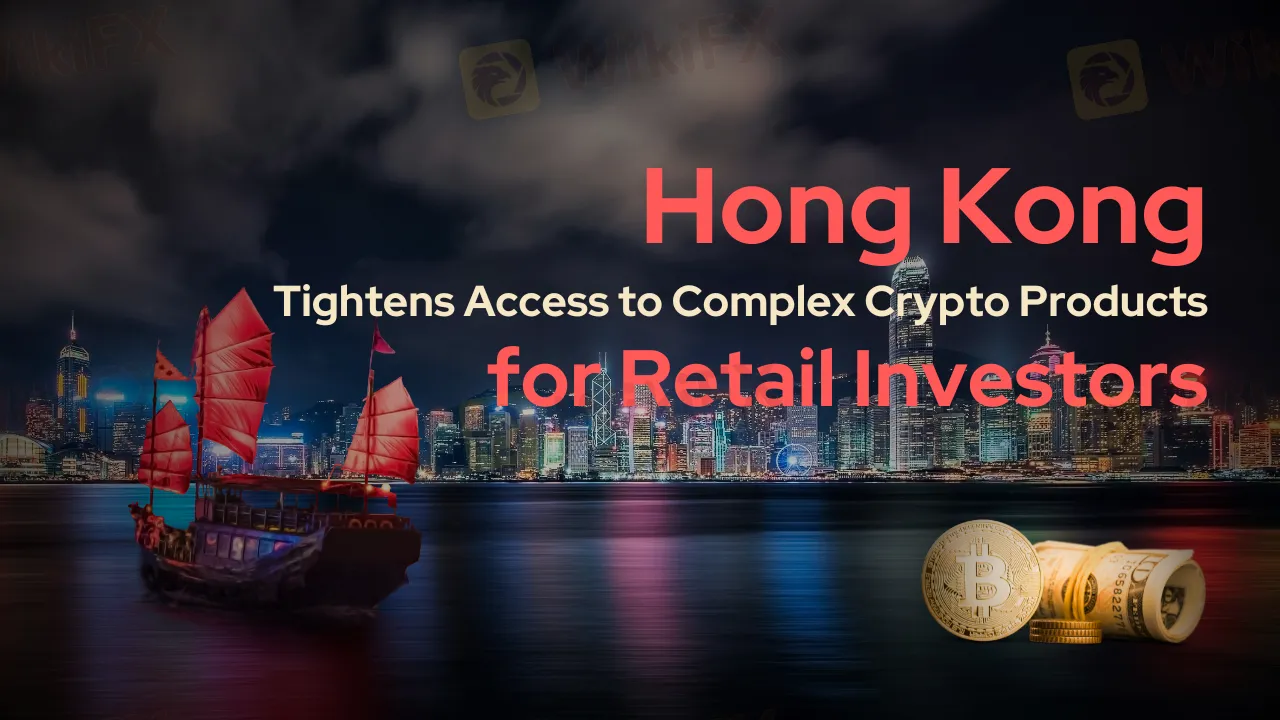
Hong Kong – The Hong Kong Monetary Authority (HKMA) and the Securities and Futures Commission (SFC) have issued a new joint circular to address the changing dynamics of the cryptocurrency business. In view of the fast proliferation of virtual asset investment products and the obvious hazards associated with them, regulatory organizations have established additional safeguards to protect retail investors.
A Closer Look at the New Policy
Five years ago, Hong Kong initiated regulations that primarily limited cryptocurrency-related activities to professional investors. However, the crypto landscape has evolved significantly since then. Recognizing the increasing demand from industry players who are pushing for more retail access to virtual asset products and services, the regulatory institutions have seen the need to adjust their policies.

The SFC and HKMA have reiterated that the risks they identified back in 2018 are still relevant today. One of the main concerns is that cryptocurrency platforms might not be operating under the same stringent standards as traditional financial service providers, potentially exposing retail investors to higher risks. Given these uncertainties, the authorities believe that virtual asset-related products can be deemed as complex products.

What Does This Mean for Retail Investors?
In the interest of public protection, the regulators have recommended that:
Virtual asset products classified as complex should predominantly cater to professional investors. For instance, certain overseas non-derivative products like crypto exchange-traded funds (ETFs) would fall under this category and should only be accessible to professional investors.
Before executing any crypto-related transactions for retail investors, intermediaries must evaluate whether these investors possess adequate knowledge about virtual assets. If the investors lack such knowledge, the transaction can only proceed after these intermediaries provide the necessary training on the associated risks of virtual assets.
Intermediaries are also mandated to ensure that their retail clients have the financial capability to assume the potential risks and manage the potential losses associated with trading in virtual asset-related products.
Related news:
Looking Ahead
As Hong Kong aims to cement its position as a central hub for crypto assets and businesses, these revised rules signify a commitment to protect its investors and maintain the integrity of the crypto industry. The proactive approach of the HKMA and the SFC, especially in the wake of the recent JPEX incident and the subsequent heightened oversight over cryptocurrency exchanges, reaffirms Hong Kong's commitment to building a secure and regulated environment for both investors and businesses in the crypto sector.
This commitment is further highlighted by the recent formation of a special unit by the SFC and Hong Kong police, dedicated to overseeing cryptocurrency exchanges and ensuring that they operate within the boundaries of the law.

Disclaimer:
The views in this article only represent the author's personal views, and do not constitute investment advice on this platform. This platform does not guarantee the accuracy, completeness and timeliness of the information in the article, and will not be liable for any loss caused by the use of or reliance on the information in the article.