Abstract:Prop Trading Firm Controversy: Explore Shadowy Practices & Trust Issues. Time to Reevaluate Your Approach.
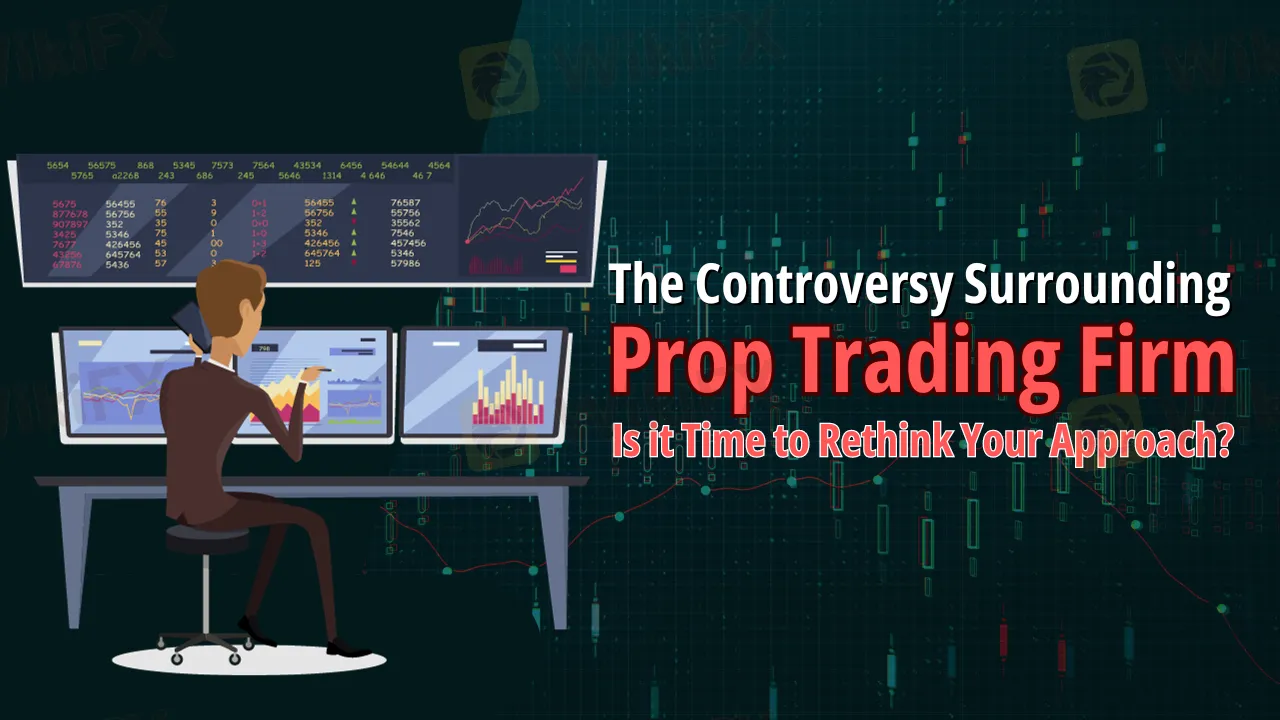
In recent times, the world of proprietary trading, often referred to as “prop trading,” has experienced a rollercoaster of popularity and skepticism. A surge of interest in prop firms, driven by the desire for individuals with limited capital to engage in meaningful trading, has clashed with growing concerns about the industry's integrity. This article explores the complexities of prop trading, the shadowy practices within some prop firms, and the impact on traders and the industry.
The Rise of Prop Trading
Proprietary trading firms, or prop firms, have gained significant attention lately, offering a lifeline to aspiring traders without access to substantial capital. Google Trends data over the past year reveals an astonishing surge in searches related to prop firms. These firms provide opportunities for traders to operate with sizable accounts, even if they lack the $500,000 or $200,000 typically required for substantial trading.
In essence, prop firms open doors for traders to make a meaningful impact in the markets, which is undoubtedly a positive aspect of these entities. However, recent revelations have cast a dark shadow over the industry.
What really is Prop Firm Trading?
A proprietary trading firm, often referred to as a “prop firm,” is a financial institution that engages in trading various financial instruments, such as stocks, bonds, commodities, currencies, and derivatives. Unlike traditional banks or brokerage firms that primarily facilitate client transactions, prop firms use their own capital to trade with the goal of generating profits. These firms employ skilled traders who analyze market data, identify trading opportunities, and execute trades on behalf of the firm. Proprietary trading can encompass a wide range of strategies and asset classes, and the profitability of these firms relies on the trading expertise of their staff.

The B-Book Model: A Cause for Concern
One of the critical issues haunting the prop trading world is the widespread adoption of the B-book model. To understand this, it's crucial to differentiate between the A-book and B-book models in trading.
A-book is the standard practice for most regulated brokerages, where your trades are executed in the live market, with real liquidity and real money at play. In this scenario, the broker earns a commission or spreads on your trades.
On the other hand, the B-book model, prevalent among many prop firms, doesn't actually execute your trades in the live market. Instead, they act as counterparties to your trades, essentially taking the other side of your positions. If you profit, the prop firm loses money, but if you lose, they retain your challenge fee with no accountability.
Transparency and Oversight Challenges
The fundamental issue with the B-book model is its lack of transparency and regulatory oversight. Unlike regulated Forex, stock, or futures brokers, prop firms operate in a somewhat opaque environment. There's no comprehensive third-party audit, and consumers lack regulatory protection.
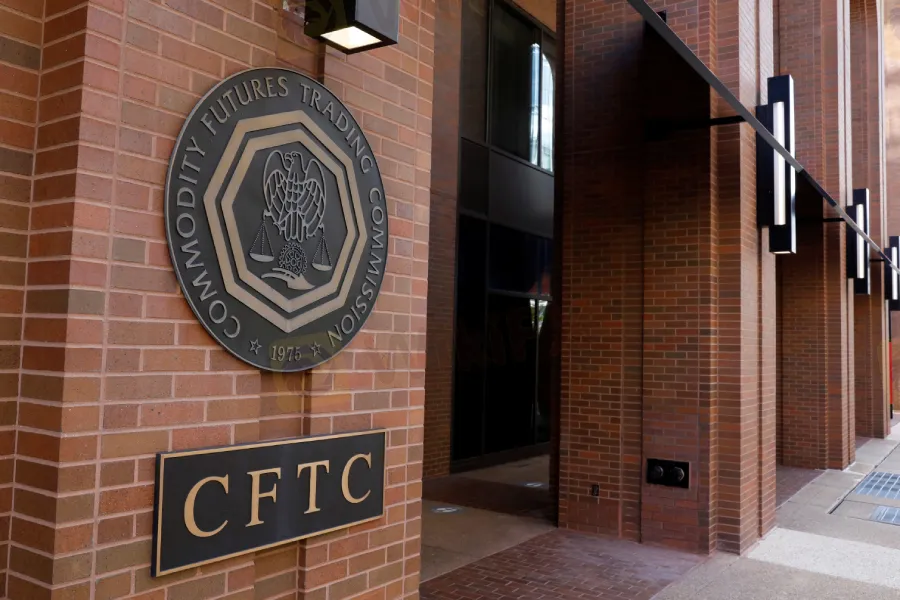
This opacity creates opportunities for unethical practices, as demonstrated by the MyForexFunds (MFF) situation. MFF was once highly regarded in the prop trading industry but is now marred by allegations of cheating clients out of their profits, as per the charges brought by the Commodity Futures Trading Commission (CFTC).
The Fallout and Uncertainty
The MFF case has led to a crisis of trust within the prop trading community. Many traders, rightly concerned about the potential for deception and malpractice, are questioning their association with prop firms. The lack of regulatory safeguards and the perception of prop firms working against their traders have fueled uncertainty and skepticism.
So, what's the future of prop trading? Will there be a mass exodus from prop firms? Traders now face a dilemma: to continue seeking funding from these entities or revert to trading their own capital.
The Way Forward
As traders contemplate their options, one thing is clear: trust is paramount. While some may find reputable prop firms with ethical practices, others might opt to trade their own money through regulated brokers, as in the “good old days.”
In conclusion, the controversy surrounding prop trading is prompting traders to reassess their strategies and evaluate the trustworthiness of the firms they engage with. Prop trading has undeniable benefits, but without transparency and regulatory oversight, it's crucial for traders to exercise caution and make informed choices. Ultimately, the best prop firm might just be the one you trust the most, whether that's an external entity or yourself.
To stay updated on the latest news, install the WikiFX App on your smartphone.
Download the App here: https://www.wikifx.com/en/download.html