FCA-Regulated Forex Brokers Are Declining — 31 Platforms to Avoid
As of December 1, 2025, a total of 105 companies in the United Kingdom held CFD licences.
Original

简体中文
繁體中文
English
Pусский
日本語
ภาษาไทย
Tiếng Việt
Bahasa Indonesia
Español
हिन्दी
Filippiiniläinen
Français
Deutsch
Português
Türkçe
한국어
العربية

Abstract:In the wake of a tumultuous four-month hiatus prompted by concerns over stock manipulation and regulatory vulnerabilities, South Korea's domestic brokerage firms are poised to resume Contracts for Difference (CFDs) trading, signalling a strategic shift and regulatory overhaul in the country's financial landscape.
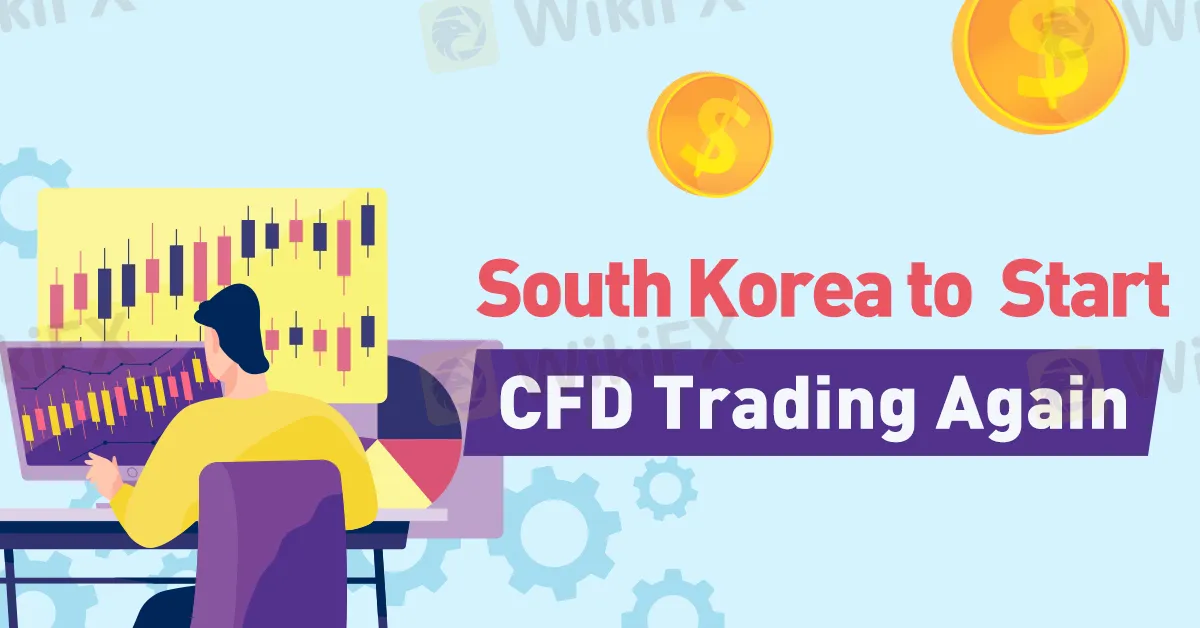
After a tumultuous four months, during which Contracts for Difference (CFDs) ignited a maelstrom of controversy in the South Korean financial landscape and elicited a vigorous response from the native regulatory bodies, the majority of domestic brokerage firms are poised to recommence CFD trading, with operations slated to recommence as early as September. The genesis of this decision traces back to April when the suspension of CFD trading was implemented in response to mounting concerns of stock manipulators exploiting regulatory gaps.
The pivotal suspension in April had been triggered by the precarious terrain of CFD trading, which had been infiltrated by cunning stock manipulators capitalizing on regulatory ambiguities. This exploitation, in turn, precipitated a swift depreciation in the value of eight publicly listed shares, casting them into the role of scandal-ridden victims.
In a stark manifestation of the fallout, eight South Korean corporate entities were entangled in a web of plummeting stock values, the daily lower limit becoming an unwelcome threshold they struggled against for nearly a week. Such upheaval in the trading environment resulted in leveraged accounts being unceremoniously removed from the equation, culminating in staggering losses aggregating to $77 million.
In the wake of this disarray, local regulatory authorities, a coalition spearheaded by the Financial Services Commission (FSC) and the Financial Supervisory Service (FSS), in partnership with the Korea Exchange and the Korea Financial Investment Association, took decisive action to shore up the sector's integrity. Their concerted endeavour was firmly rooted in their objective to infuse transparency into the system and prevent the replication of manipulative strategies.

With the turmoil gradually abating and corporations aligning their services with the newly stipulated protocols, the trajectory indicates a forthcoming resurgence of CFD trading on South Korean soil. The lion's share of securities firms are on the cusp of reintroducing CFD trading. SK Securities emerges as the solitary participant renouncing its engagement in this domain.
In contrast, a consortium comprising nine out of thirteen firms, a lineup that boasts prominent entities such as Meritz Securities, Shinhan Securities, and Kyobo Securities, has chosen a trajectory of enhancement. However, some influential players remain indecisive, encompassing names like Korea Investment & Securities, Samsung Securities, and Yuanta Securities.
As reported by the Korea Times, the prevailing consensus veers toward a revival of operations, primarily borne out of the strategic imperative to diversify revenue streams, particularly pertinent in light of the current lukewarm demeanour of the stock market.
Kim So-young, Vice Chairman of the FSC, explained that the regulatory framework for CFD trading will undergo a comprehensive overhaul, ushering in a regime wherein investors can meticulously decipher transaction particulars. This includes discerning the true instigators of CFD transactions and gauging the spectre of liquidation risks, consequently empowering them to make prudent investment choices.
Simultaneously, the South Korean government has articulated its intention to fortify the prerequisites for securing recognition as a professional investor. A concomitant duty has been apportioned to brokers, necessitating the biennial validation of professional investor status.
Novel stipulations now mandate in-person authentication as the linchpin for initiating fresh CFD accounts, a shift from the erstwhile online authentication process that had sufficed sans direct interactions.
Concurrently, South Korea has ushered in a paradigm shift by dismantling a three-decade-old regulatory framework that had served as an impervious bulwark against foreign investors access to the domestic market. While these transformations have eased entry into locally listed stocks and bonds, the terrain of CFDs remains resiliently untouched by these revisions.

Disclaimer:
The views in this article only represent the author's personal views, and do not constitute investment advice on this platform. This platform does not guarantee the accuracy, completeness and timeliness of the information in the article, and will not be liable for any loss caused by the use of or reliance on the information in the article.
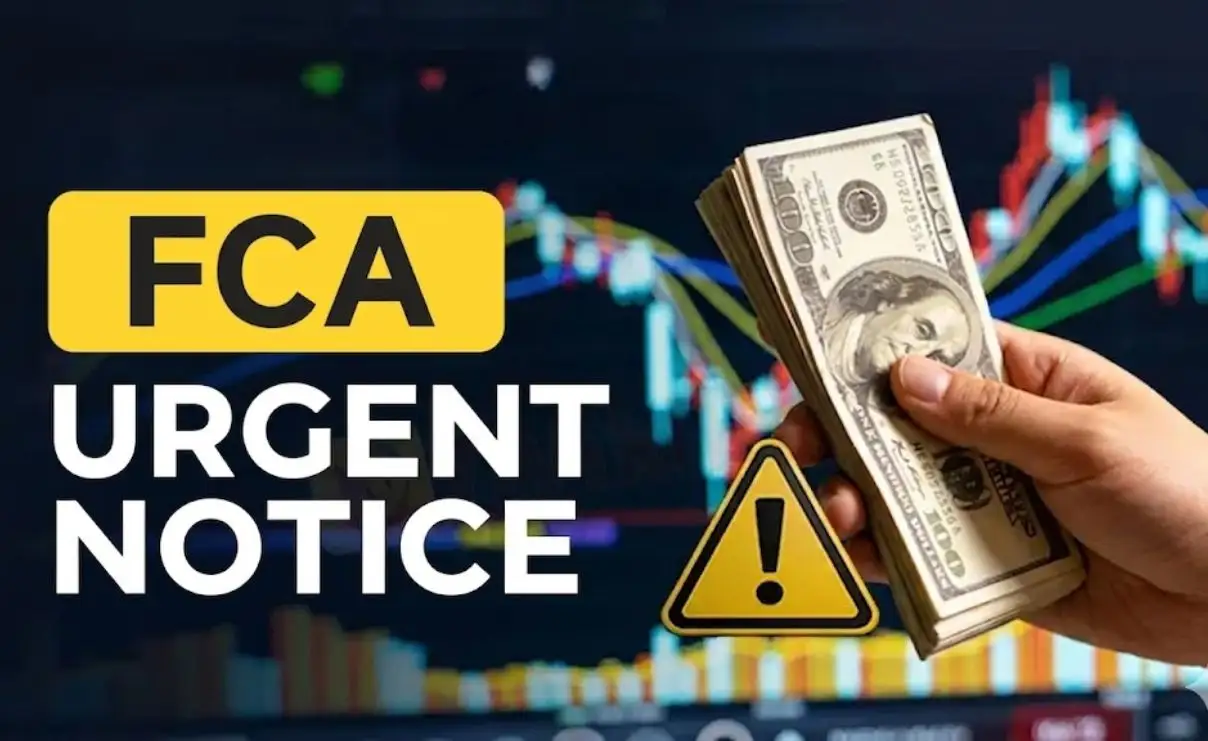
As of December 1, 2025, a total of 105 companies in the United Kingdom held CFD licences.

Has Dbinvesting failed to honor your fund withdrawal requests? Did you notice that the broker remained fine when you were losing and turned worse as your numbers gained on the Dbinvesting login? Did the broker wipe out your profits and block your trading account? Many such allegations from users across India, the US and other regions have become headlines on broker review platforms such as WikiFX. To make it comprehensive, we have prepared an in-depth investigation report into user allegations, the company’s products and services, and, importantly, regulatory status, in this Dbinvesting review article.
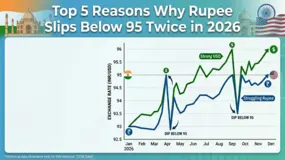
Times are tough for the rupee as it again slipped to 95 against the USD towards the end of April 2026 after some gains due to the RBI-led interventions early this month. The depreciation is largely attributable to surging crude oil prices. The prices climbed to their 3-year high over the US-Iran conflict. On April 30, 2026, the rupee opened at 95.02 mark against the USD, sliding 0.2% from its previous day’s ending at 94.84 against the greenback. As the day progressed, it slipped further to a new record low of 95.32 against the USD, beating the earlier fall of 95.22 in March 2026.
When you ask, "Is AssetsFX legit?", you're asking an important question about keeping your funds safe. After looking at all the available information, the answer is concerning: AssetsFX shows serious risks that traders should worry about. Our research found multiple problems that can't be overlooked. WikiFX, a website that checks brokers worldwide, gives AssetsFX only 2.44 points out of 10. They also warn users: "Low score, please stay away!" This very low rating isn't random. It comes from two main problems: the company doesn't have proper licenses from respected authorities, and many users have complained about losing funds. This article will explain the evidence behind this rating, giving you the facts you need to make a smart choice and protect your investments.
 WikiFXWikiFXWikiFXWikiFXWikiFXWikiFXWikiFXWikiFXWikiFXWikiFX
