FCA-Regulated Forex Brokers Are Declining — 31 Platforms to Avoid
As of December 1, 2025, a total of 105 companies in the United Kingdom held CFD licences.
Original

简体中文
繁體中文
English
Pусский
日本語
ภาษาไทย
Tiếng Việt
Bahasa Indonesia
Español
हिन्दी
Filippiiniläinen
Français
Deutsch
Português
Türkçe
한국어
العربية

Abstract:Cryptocurrency phishing attacks are on the rise in the Philippines, according to a report by cybersecurity firm, Kaspersky. This alarming surge, with cases tripling from 2021 to 2022, marks a dark facet of the booming crypto ecosystem in the country. Amidst an increasingly mobile and digital-savvy population, cyberattackers are exploiting vulnerabilities in popular platforms and crypto wallets. Despite a regional dip in crypto-phishing, the Philippines, along with Indonesia and Malaysia, has seen a growth in such attacks. As the crypto market continues to expand, with Southeast Asia contributing to 14% of global transactions, the need for vigilance, education, and robust regulation is crucial.
In a recent report from leading global cybersecurity firm Kaspersky, a significant surge in cryptocurrency-related attacks, particularly phishing incidents, was observed in the Philippines last year. This alarming trend reflects the darker side of the country's booming crypto ecosystem and the ever-growing digital economy.Crypto-Phishing Attacks Triple in the Philippines
Kaspersky's data showed a stark increase in crypto-phishing attacks in the Philippines, jumping from 9,164 cases in 2021 to a worrying 24,737 cases in 2022. This marks the second-highest number of crypto-related security threats in the Southeast Asian region, following Vietnam with over 64,000 reported detections.
Adrian Hia, managing director for Asia Pacific at Kaspersky, in a recent media briefing, noted that this rise is linked to the easy accessibility and adoption of cryptocurrency in the Philippines.

“As users are embracing mobile connectivity, they inadvertently create multiple vulnerabilities for their data, which can be exploited or even breached. In the age of advanced technology, there are no more boundaries - malware can be installed with any form of touch,” explained Mr. Hia.
Cyberattackers have found a profitable hunting ground in the accounts of popular online gaming platforms and cryptocurrency wallets. These platforms are particularly susceptible to advanced stealers or “stalker ware”, which enable cybercriminals to spy and steal sensitive information from a user's mobile device, as per Kaspersky's statement.
Mr. Hia added, “Our monitoring shows that malware is increasingly being propagated through legitimate channels, including official marketplaces and ads within popular apps.”
Looking at the wider Southeast Asian region, total crypto-phishing detections actually saw a dip to 147,649 last year from 164,330 in 2021. However, this drop was largely driven by significant declines in Singapore (down 74%), Thailand (51%), and Vietnam (15%). In contrast, both Indonesia and Malaysia, like the Philippines, also witnessed a rise in crypto-related attacks.
Kaspersky's research revealed an average of 400,003 new malicious files discovered per day in 2022, representing an increase of 20,000 files per day from the previous year.
“Scammers are relentlessly targeting cryptocurrency, drawn by its growing popularity. Southeast Asia is a hotbed for these activities, with the region accounting for 14% of cryptocurrency transactions globally, and it's predicted to lead the charge in mass crypto adoption,” Mr. Hia elaborated in the statement.

The large, digitally-savvy youth population in this region, open to new trends and technologies, is seen as an attractive target for scammers. Therefore, crypto adopters should be informed about the latest techniques used by phishers to secure their assets.
Kaspersky spam analysis expert Roman Dedenok sheds light on a common method adopted by these crypto phishers: using emails to lure crypto users with too-good-to-be-true giveaways of popular cryptocurrencies. The bait is often a simple guide to claim the free cryptocurrency leading to a phishing site, where the user is asked to provide their wallet details.
In response to these threats, Kaspersky is in talks with government institutions around the globe to address these pressing cybersecurity concerns. In the Philippines, the central bank does not directly regulate cryptocurrency but has implemented guidelines for virtual asset service providers. As per these guidelines, businesses dealing with virtual assets need to secure a license from the Bangko Sentral ng Pilipinas.
To stay updated on the latest news about crypto and phishing attacks, users are advised to download and install the WikiFX App on their smartphones: https://www.wikifx.com/en/download.html. With cybersecurity being a crucial concern in the rapidly expanding world of crypto, vigilance, and education are vital weapons in the fight against cybercrime.

Disclaimer:
The views in this article only represent the author's personal views, and do not constitute investment advice on this platform. This platform does not guarantee the accuracy, completeness and timeliness of the information in the article, and will not be liable for any loss caused by the use of or reliance on the information in the article.

As of December 1, 2025, a total of 105 companies in the United Kingdom held CFD licences.

Has Dbinvesting failed to honor your fund withdrawal requests? Did you notice that the broker remained fine when you were losing and turned worse as your numbers gained on the Dbinvesting login? Did the broker wipe out your profits and block your trading account? Many such allegations from users across India, the US and other regions have become headlines on broker review platforms such as WikiFX. To make it comprehensive, we have prepared an in-depth investigation report into user allegations, the company’s products and services, and, importantly, regulatory status, in this Dbinvesting review article.
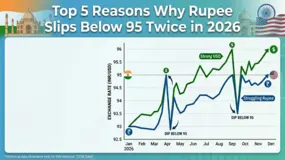
Times are tough for the rupee as it again slipped to 95 against the USD towards the end of April 2026 after some gains due to the RBI-led interventions early this month. The depreciation is largely attributable to surging crude oil prices. The prices climbed to their 3-year high over the US-Iran conflict. On April 30, 2026, the rupee opened at 95.02 mark against the USD, sliding 0.2% from its previous day’s ending at 94.84 against the greenback. As the day progressed, it slipped further to a new record low of 95.32 against the USD, beating the earlier fall of 95.22 in March 2026.

When you ask, "Is AssetsFX legit?", you're asking an important question about keeping your funds safe. After looking at all the available information, the answer is concerning: AssetsFX shows serious risks that traders should worry about. Our research found multiple problems that can't be overlooked. WikiFX, a website that checks brokers worldwide, gives AssetsFX only 2.44 points out of 10. They also warn users: "Low score, please stay away!" This very low rating isn't random. It comes from two main problems: the company doesn't have proper licenses from respected authorities, and many users have complained about losing funds. This article will explain the evidence behind this rating, giving you the facts you need to make a smart choice and protect your investments.
 WikiFXWikiFXWikiFXWikiFXWikiFXWikiFXWikiFXWikiFXWikiFXWikiFX
