

Global Broker Regulation Inquiry App
About WikiFX
English
简体中文
繁體中文
English
Pусский
日本語
ภาษาไทย
Tiếng Việt
Bahasa Indonesia
Español
हिन्दी
Filippiiniläinen
Français
Deutsch
Português
Türkçe
한국어
العربية
Deriv Review 2026: Is this Forex Broker Legit or a Scam?
Abstract:Deriv holds legitimate licenses from Malta and the UAE, earning a WikiFX score of 6.87, but faces a surge of serious complaints regarding sudden leverage reductions and blocked withdrawals. While the regulation is genuine, the heavy reliance on offshore entities for global clients introduces significant operational risks.
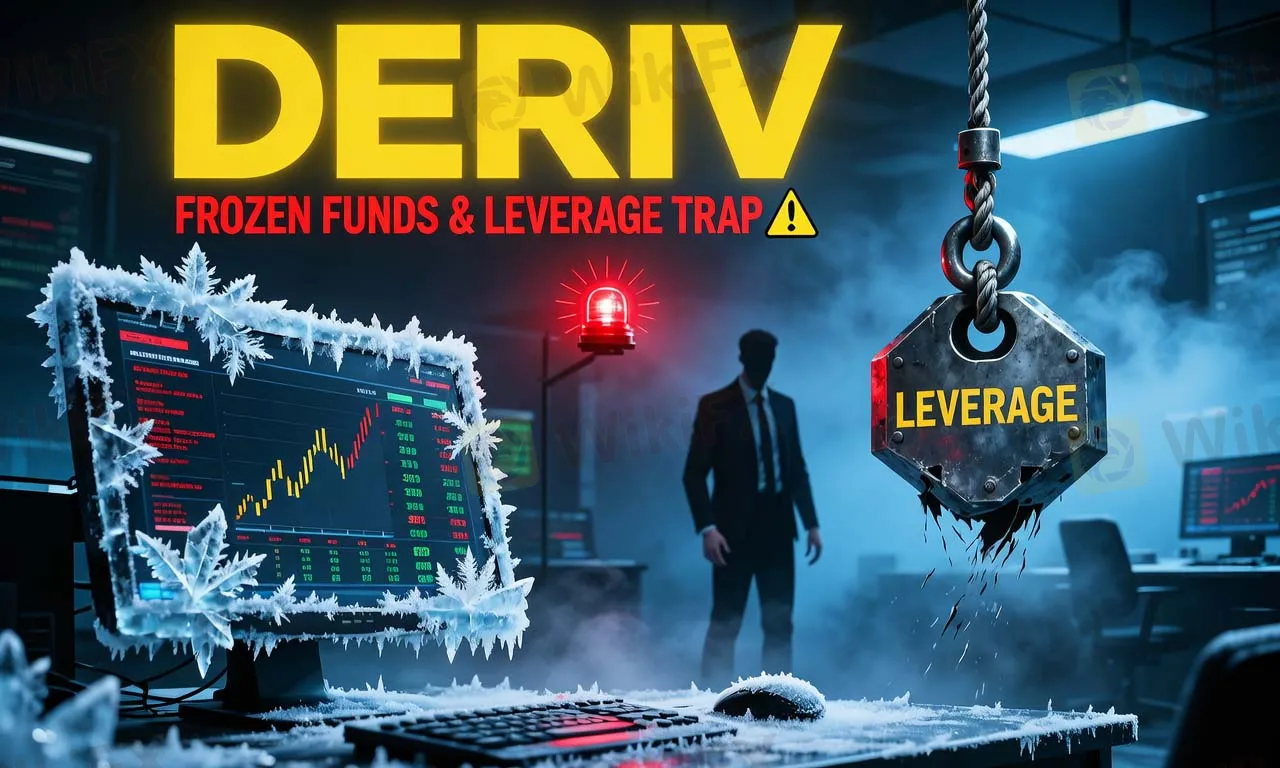
Executive Summary (TL;DR): Deriv acts as a hybrid broker, holding strong Tier-2 licenses in Malta and the UAE while serving most global clients through offshore entities. Despite a decent WikiFX Score of 6.87, a worrying pattern of complaints involving frozen funds and sudden leverage reductions suggests that while the company is legal, its aggressive risk management can hurt profitable traders.
Finding a trustworthy trading partner is difficult in today's saturated market. Before you find a broker that suits your needs, you must dig deeper than their homepage marketing. In this review, we analyze Deriv's regulatory safety, fee structures, and the “red flags” hiding in real user feedback to help you decide if your capital is safe.
Question 1: Deriv Regulation & Safety: Is my money safe?
When we analyze a broker's safety, we look at who gave them permission to handle money. Deriv has a split personality. On one hand, they are regulated by the Malta Financial Services Authority (MFSA) and the UAE Capital Markets Authority (CMA). These are respectable regulators that enforce strict rules.
However, for most international traders (outside of Europe or the UAE), your account will likely be held under their offshore entities: the British Virgin Islands Financial Services Commission (BVI FSC), the Vanuatu Financial Services Commission (VFSC), or the Cayman Islands Monetary Authority (CIMA).
Why does this regulation status matter?
The “Tier” Difference:
- Tier 1/2 (Malta): Requires Segregated Accounts. This means the broker cannot touch your money to pay their own debts (like electricity bills or staff salaries). If they go bankrupt, your money acts like it's in a separate safety deposit box.
- Offshore (Vanuatu/BVI): The rules are looser. Here, you face higher Counterparty Risk. If the broker faces financial trouble, your funds are essentially an unsecured loan to the company. While offshore licenses are legal, they offer much less protection than European ones.
Question 2: Are the trading fees and leverage fair?
Deriv is famous for offering flexible trading conditions, but this flexibility comes with a trap reported by many users.
Leverage: The Double-Edged Sword
Leverage allows you to control a large position with a small amount of money (e.g., $1 controlling $100). Deriv offers high leverage, which sounds great for magnifying profits. However, high leverage also magnifies losses.
The Hidden Cost:
While Forex trading costs (spreads) at Deriv are generally competitive, the real “cost” might be in how they manage leverage during volatile markets. Traders have reported that Deriv sometimes reduces leverage limits on active trades.
Educational Moment: Imagine you are holding a heavy box (your trade). Suddenly, the person helping you hold it (leverage) walks away. You now have to hold the entire weight yourself. If you aren't strong enough (don't have enough margin), you drop the box (liquidation). This is a critical risk to consider.
Question 3: What are real traders complaining about?
Looking at the database, we see a spike in complaints (over 50 in 3 months). Here is what real users are saying:
1. Sudden Leverage Reduction
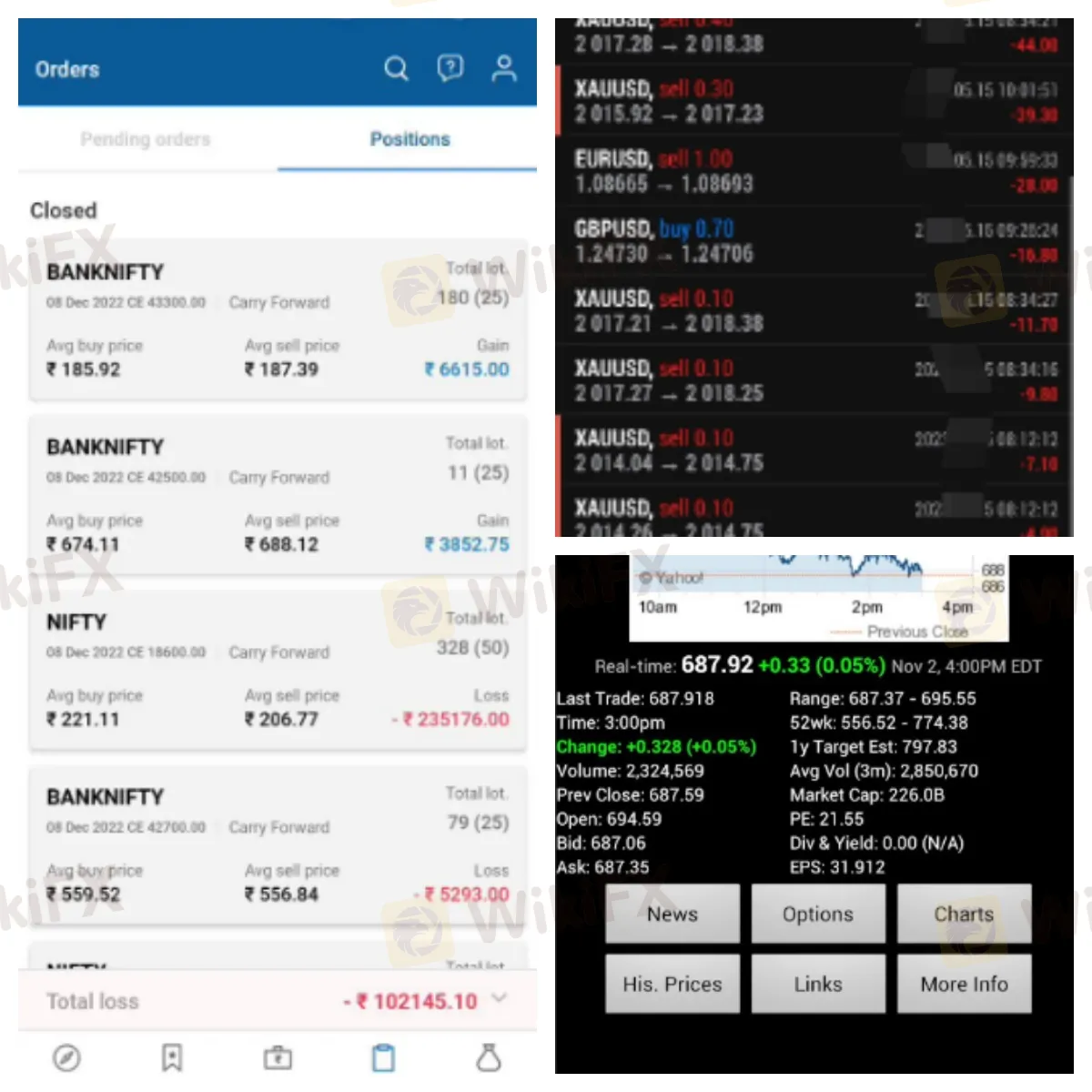
Multiple traders from India and Indonesia reported that their leverage was slashed from 1:200 or 1:1000 down to 1:50 overnight without sufficient warning. This caused immediate margin calls and liquidated their accounts, even though the market price had barely moved.
2. Withdrawal Nightmares
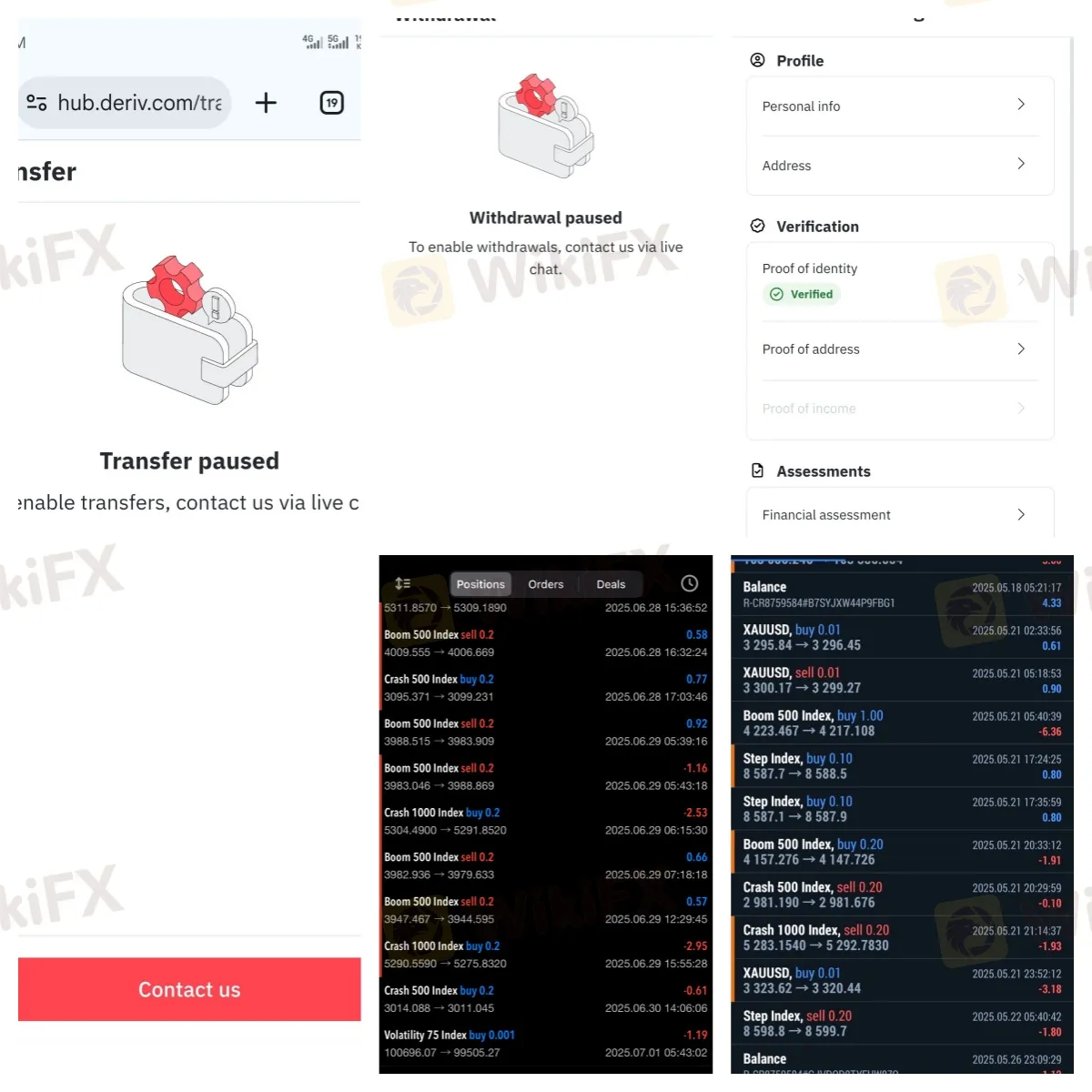
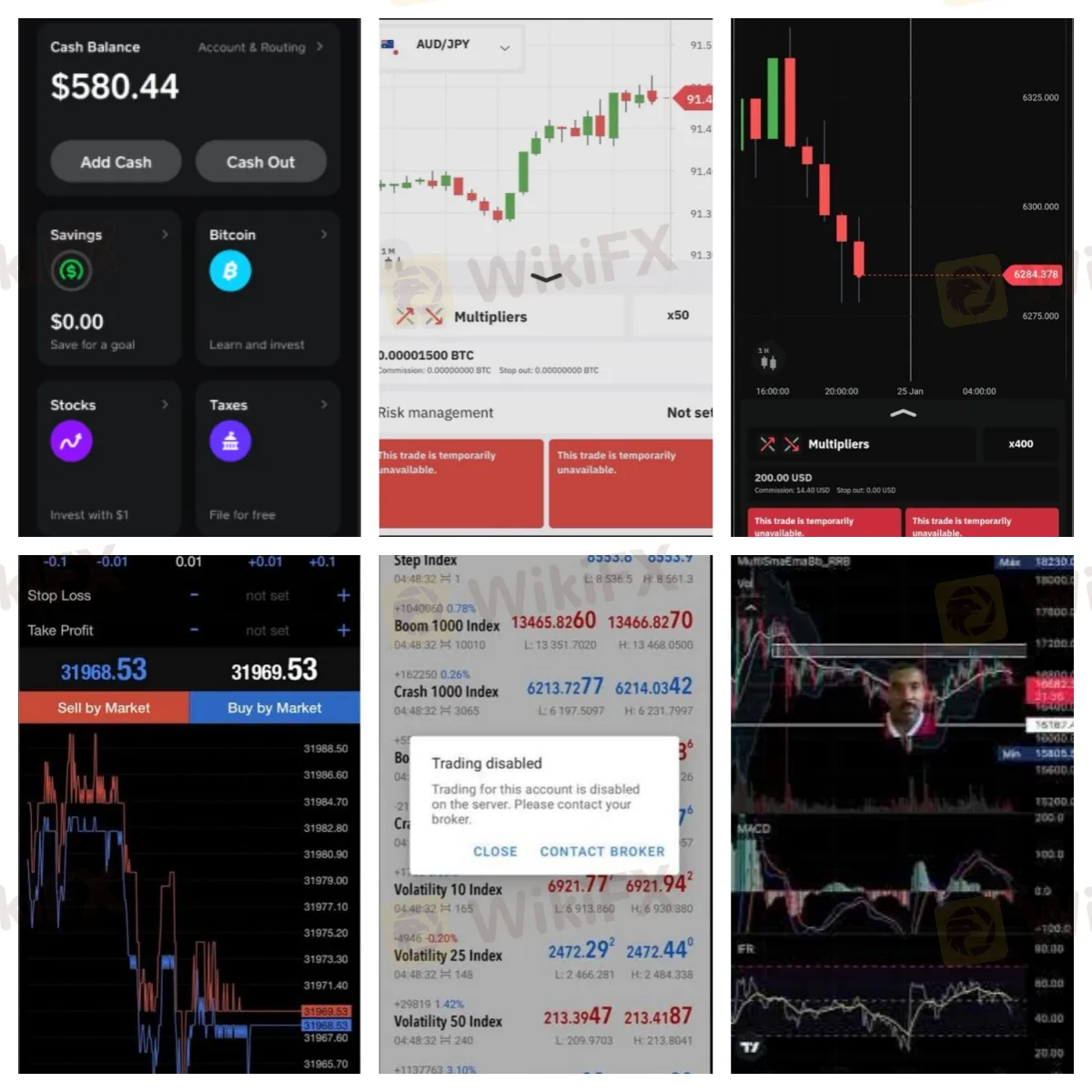
Traders from Nigeria, Colombia, and India have reported blocked withdrawals.
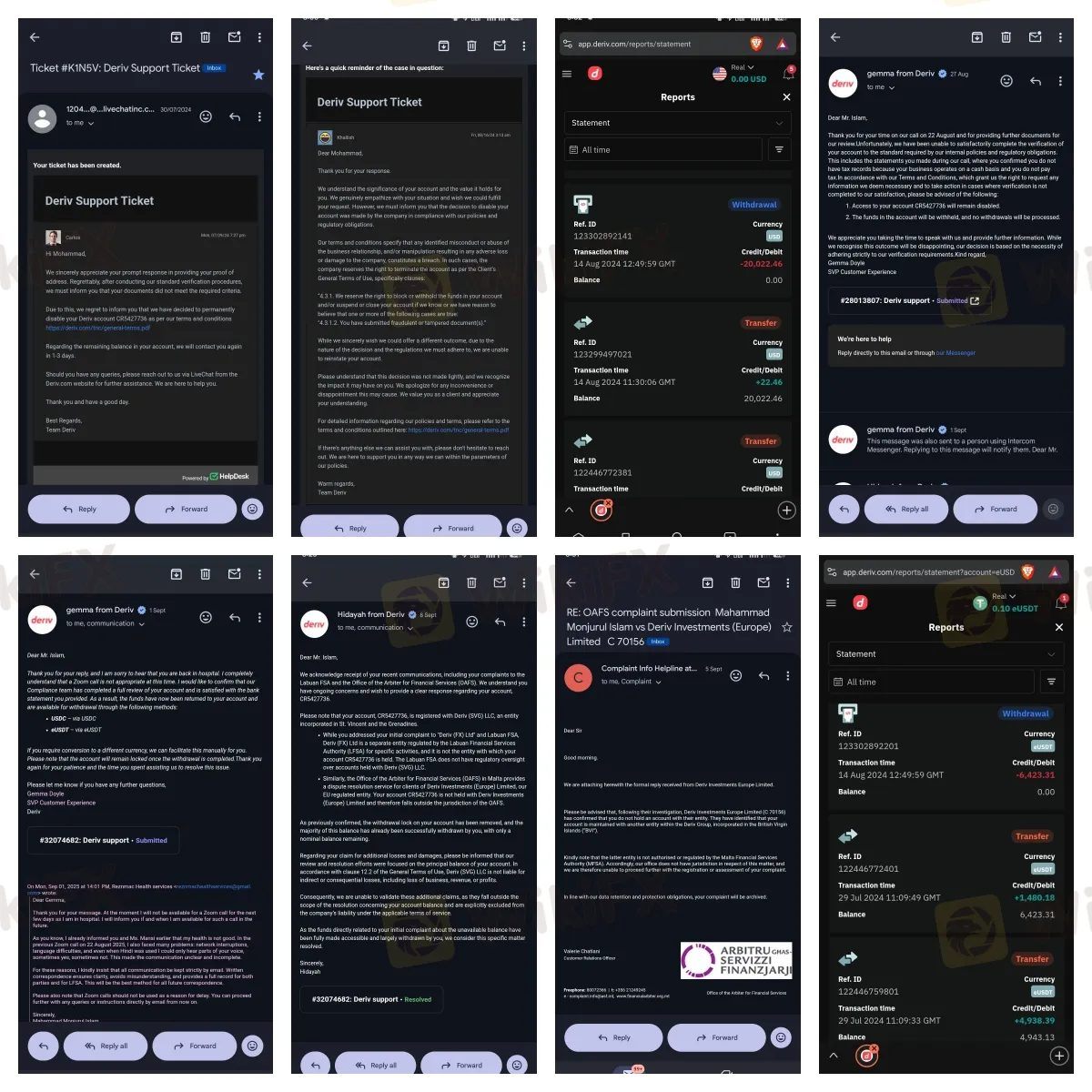
One user mentioned it took 13 months and pressure from regulators to get a refund of over $26,000.
3. Account Freezing
Several users claimed their accounts were disabled or frozen while they had open positions. This left them helpless, watching their money vanish as the market moved against them, with no way to close the trade.
Pro Tip: If you trade here, withdraw profits frequently. Never leave a large balance sitting in an offshore brokerage account longer than necessary.
Question 4: What software will I use?
Deriv primarily uses MetaTrader 5 (MT5), which is the industry standard for modern trading. It is fast, allows for automated trading bots, and has excellent charting tools.
Security Warning:
Because Deriv is popular, scammers often create fake websites that look exactly like Deriv to steal your password. Always ensure you are on the official site (check the URL carefully) before entering your login details.
Proprietary Platform Risks:
Deriv also offers its own web trading platforms. Be cautious here. One trader reported “price jumps” on the proprietary platform that didn't match the broader market, turning wins into losses in the final seconds. Using the standardized MT5 platform is generally safer as it makes price manipulation harder to hide.
Final Verdict: Should I open an account?
The Verdict: Deriv is Legit but High-Risk for Profitable Traders.
The WikiFX score of 6.87 reflects that they are a real company with real licenses, not a fly-by-night scam. However, the operational behaviors reported—specifically slashing leverage on live trades and making withdrawals difficult for profitable accounts—are major warning signs.
If you are a casual trader using small amounts, Deriv's platform is user-friendly. However, if you plan to trade large volumes or keep significant capital in your account, the offshore regulatory protection may not be enough.
Status changes daily. Before depositing, check the WikiFX App for the latest real-time certificate and complaints list.
Disclaimer:
The views in this article only represent the author's personal views, and do not constitute investment advice on this platform. This platform does not guarantee the accuracy, completeness and timeliness of the information in the article, and will not be liable for any loss caused by the use of or reliance on the information in the article.
WikiFX Broker
Latest News
eToro Review 2026: Regulatory Lawsuits, Clone Scams, and Withdrawal Complaints
 WikiFX
Why Betting Your Entire Account Triggers Early Margin Calls
WikiFXFed dissenters explain 'no' votes, saying they disagreed with hinting next move would be a cut
WikiFXSVSFX Review 2026: Revoked Regulation and Critical Risk Signals
WikiFXUK exports to U.S. plunge by 25% after Trump's 'liberation day' tariffs blitz
WikiFXCurrency Calculator
USD

CNY
Current Rate:0
Enter amount
USD
Redeemable Amount
CNY
Calculate 