Scams to Be Aware of in 2026
Malaysians lost approximately RM2.77 billion to scams in 2025. In 2026, let us not repeat the same mistakes again!
简体中文
繁體中文
English
Pусский
日本語
ภาษาไทย
Tiếng Việt
Bahasa Indonesia
Español
हिन्दी
Filippiiniläinen
Français
Deutsch
Português
Türkçe
한국어
العربية
Abstract:The victim, who works at a hospital in Pahang, received phone calls from several individuals on December 31.
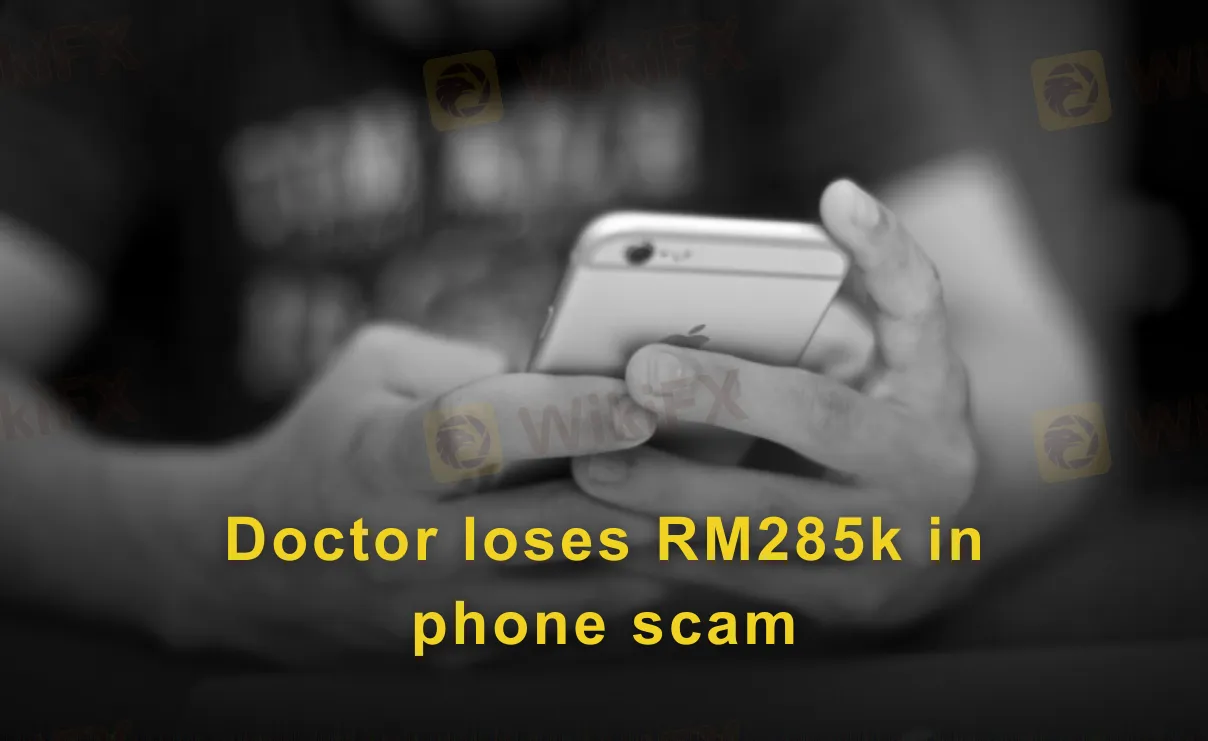
A 31-year-old doctor in Pahang has lost RM285,000 after falling victim to a phone scam syndicate that carefully impersonated multiple authorities to gain his trust.
According to Pahang police chief Datuk Seri Yahaya Othman, the incident began on December 31 when the victim, who works at a hospital in the state, received several phone calls from unknown individuals. The callers first posed as officers from Tenaga Nasional Berhad (TNB), before transferring the call to another person claiming to be a police officer.
The fake “police officer” alleged that the doctor was linked to serious offences, including electricity meter tampering, money laundering and digital fraud. To make the story more convincing, the victim was told that he was under investigation and instructed to stay in constant contact with the suspect, even being asked to report his daily movements.
Over time, the scammers pressured the victim into taking out a loan from a financial institution, claiming the money was required as part of the investigation process. He was then instructed to transfer funds to seven different bank accounts. In addition, the victim was told to purchase 35 Razer Gold top-up cards and hand over the PIN numbers to the suspects.
By the time he realised something was wrong, the damage had already been done. The doctor had lost RM285,000, made up of his personal savings and bank loans. He only became suspicious when the suspects demanded even more money and subsequently became unreachable.
Police have classified the case under Section 420 of the Penal Code for cheating. Authorities have once again reminded the public to be extremely cautious of phone calls involving alleged investigations, especially those that demand secrecy, money transfers or prepaid vouchers.
To reduce the risk of falling victim to financial scams, tools like WikiFX can help users verify the legitimacy of brokers and financial platforms before making any investment decisions. By checking regulatory status, risk alerts and user feedback, individuals can better protect their savings and avoid becoming the next target of increasingly sophisticated fraud schemes.


Disclaimer:
The views in this article only represent the author's personal views, and do not constitute investment advice on this platform. This platform does not guarantee the accuracy, completeness and timeliness of the information in the article, and will not be liable for any loss caused by the use of or reliance on the information in the article.

Malaysians lost approximately RM2.77 billion to scams in 2025. In 2026, let us not repeat the same mistakes again!

Criticism has emerged within the cryptocurrency industry following reports alleging that Kampanat Wimonnot, a former Web3 fund executive, was involved in a fraudulent investment scheme involving fake pre-token deals linked to well-known blockchain projects. According to the allegations, the scheme used documents and information that were claimed to be fabricated in order to create the appearance of legitimacy and attract investors. At least 24 victims from multiple countries have reportedly been affected, with losses ranging from tens of thousands of dollars to more than US$1 million. The incident highlights the risks associated with private allocation crypto deals and underscores the importance for investors to verify information directly with the originating project before making any investment decisions.

Thai authorities have issued arrest warrants for South African businessman Benjamin Mauerberger and his wife over an alleged cross-border investment fraud and money laundering scheme that caused billions of baht in losses. The case has attracted major attention due to its reported links to political and business networks in Thailand and Cambodia, with the couple believed to have fled to Dubai while authorities continue investigating and freezing assets worth over 13 billion baht.

Malaysian police have warned the public about a surge in social media investment scams that promise extremely high returns, such as turning RM300 into more than RM13,000. Authorities say these offers are clear red flags, as scammers often use fake testimonials and profit screenshots to gain trust before disappearing with victims’ money. The public is urged to verify investment platforms and avoid schemes that guarantee profits.