

Global Broker Regulation Inquiry App
About WikiFX
English
简体中文
繁體中文
English
Pусский
日本語
ภาษาไทย
Tiếng Việt
Bahasa Indonesia
Español
हिन्दी
Filippiiniläinen
Français
Deutsch
Português
Türkçe
한국어
العربية
TSMC Earnings Confirm AI "Supercycle," But Capacity Wall Looms
Abstract:TSMC reported a 35% jump in net profit and raised its capital expenditure forecast to a record $56 billion, signaling that the AI infrastructure supercycle is accelerating. However, severe capacity constraints signal supply bottlenecks for major tech clients.
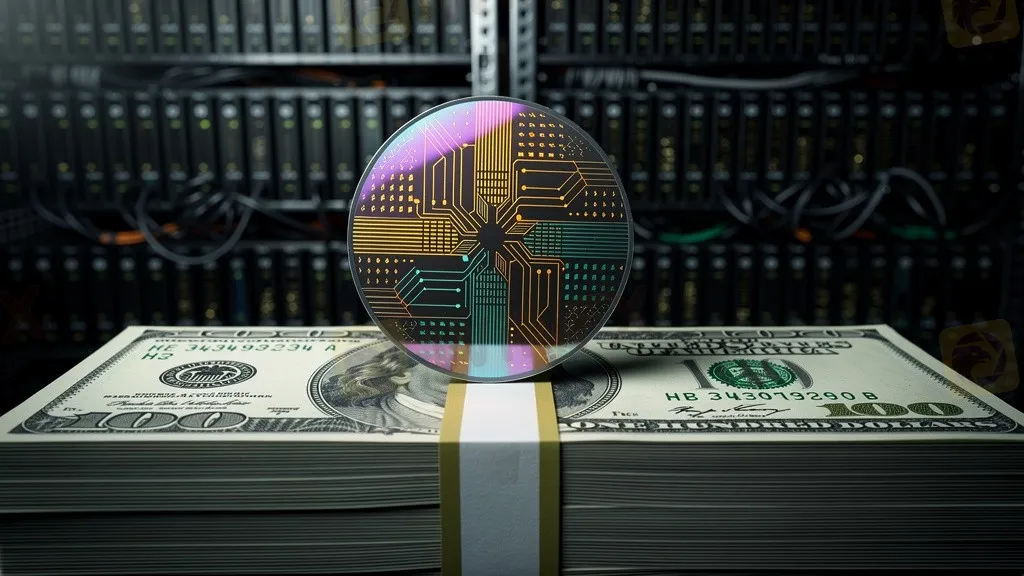
Taiwan Semiconductor Manufacturing Co. (TSMC), the bellwether for the global tech hardware cycle, smashed expectations with a 35% year-on-year rise in net profit for Q4. More significantly, the company raised its 2026 capital expenditure guidance to a massive $52-$56 billion, confirming that the Artificial Intelligence infrastructure build-out is nowhere near sluggish.
The Data: Unrelenting Demand
- Advanced Nodes: 7nm and smaller processes now account for 77% of TSMC's total wafer revenue, with the cutting-edge 3nm node contributing 28%.
- AI Dominance: High-Performance Computing (HPC), which includes AI accelerators for Nvidia and AMD, accounted for 55% of revenue, eclipsing the smartphone sector.
- Outlook: Management guided for revenue growth approaching 30% in 2026, defying fears of a cyclical downturn.
The Bottleneck Risk
Despite the stellar numbers, a “physical wall” is forming. TSMC CEO C.C. Wei admitted that capacity is “extremely tight.”
- Supply Shortage: Demand for the most advanced chips is reportedly 3x higher than current capacity. Major clients like Google and Nvidia are competing for limited allocation.
- Packaging Crisis: The bottleneck is not just in wafer fabrication but in CoWoS (advanced packaging). Even with new plants in Arizona and Japan coming online by 2027, the near-term supply deficit remains acute.
Market Implication
This is bullish for the Nasdaq 100 and semiconductor stocks, as it confirms demand is real and pricing power remains with the producers. However, for the broader AI sector, the inability to source chips could cap growth rates for software companies dependent on compute power. For the Taiwan Dollar (TWD), the massive capex implies strong foreign direct investment inflows, providing support against the strong USD.
Disclaimer:
The views in this article only represent the author's personal views, and do not constitute investment advice on this platform. This platform does not guarantee the accuracy, completeness and timeliness of the information in the article, and will not be liable for any loss caused by the use of or reliance on the information in the article.
WikiFX Broker
Latest News
eToro Review 2026: Regulatory Lawsuits, Clone Scams, and Withdrawal Complaints
 WikiFX
Why Betting Your Entire Account Triggers Early Margin Calls
WikiFXFed dissenters explain 'no' votes, saying they disagreed with hinting next move would be a cut
WikiFXSVSFX Review 2026: Revoked Regulation and Critical Risk Signals
WikiFXUK exports to U.S. plunge by 25% after Trump's 'liberation day' tariffs blitz
WikiFXCurrency Calculator
USD

CNY
Current Rate:0
Enter amount
USD
Redeemable Amount
CNY
Calculate 