

Global Broker Regulation Inquiry App
About WikiFX
English
简体中文
繁體中文
English
Pусский
日本語
ภาษาไทย
Tiếng Việt
Bahasa Indonesia
Español
हिन्दी
Filippiiniläinen
Français
Deutsch
Português
Türkçe
한국어
العربية
Fed
Abstract:A historic clash between the White House and the Federal Reserve has escalated as the DOJ issues a subpoena to Chair Powell, triggering a bipartisan backlash in the Senate that threatens to freeze future nominees.
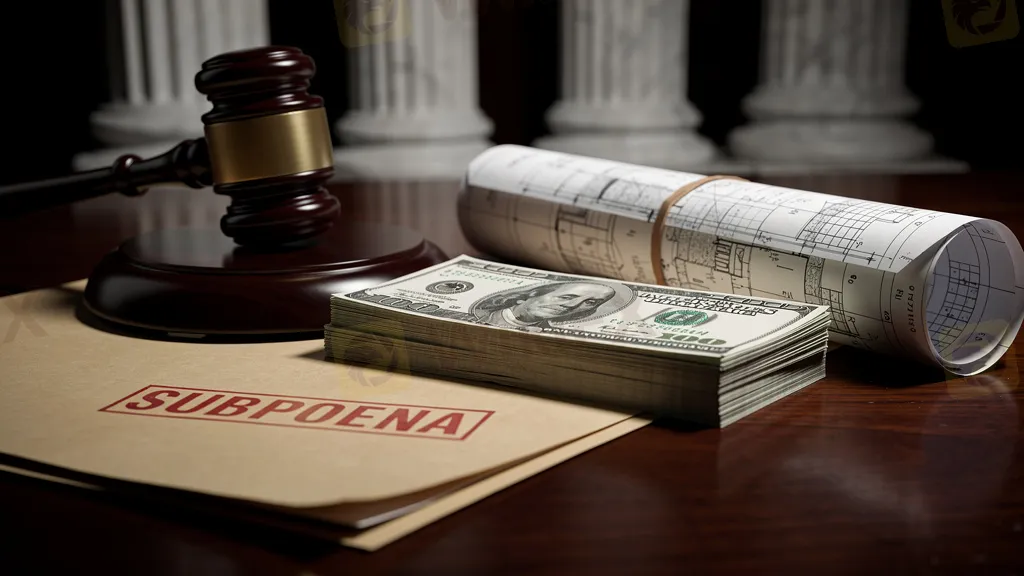
The institutional conflict between the Trump administration and the Federal Reserve has reached a flashpoint, threatening to destabilize the governance of the world's most critical central bank. Following revelations that the Department of Justice (DOJ) has subpoenaed Fed Chair Jerome Powell over building renovation testimony—a move widely interpreted as political coercion to force rate cuts—key Senate Republicans have vowed to paralyze the Presidents nominees.
Senate Republicans Revolt
The DOJ‘s aggressive maneuver, ostensibly investigating potential perjury regarding a $2.5 billion renovation of the Fed’s headquarters, has backfired on Capitol Hill. Republican Senators Thom Tillis and Lisa Murkowski publicly condemned the investigation as a “coercive tactic.”
Tillis, a member of the powerful Senate Banking Committee, explicitly stated he would block all Fed nominees until the legal threat against Powell is resolved. With Democrats already opposed to Trump's picks, this defection creates a potential deadlock, making it mathematically impossible to confirm a successor.
Political Pressure vs. Monetary Policy
Market analysts view the “renovation scandal” as a thin pretext for a broader policy war. Since his re-election, President Trump has openly criticized the Feds pace of easing, labeling Powell “Mr. Too Late.” Administrative pressure—ranging from the attempted firing of Governor Lisa Cook to the installation of loyalist Stephen Moore—correlates closely with periods where the Fed held rates steady.
Bank of Canada Governor Tiff Macklem publicly rallied behind Powell, calling central bank independence “sacrosanct.” This international solidarity underscores fears that the politization of the Fed could erode the US Dollar's standing as a neutral reserve asset.
Key Market Data & Implications
Disclaimer:
The views in this article only represent the author's personal views, and do not constitute investment advice on this platform. This platform does not guarantee the accuracy, completeness and timeliness of the information in the article, and will not be liable for any loss caused by the use of or reliance on the information in the article.
WikiFX Broker
Latest News
TradeEU Review 2026: Is this Forex Broker Legit or a Scam?
 WikiFX
Physical Crude Disconnects From Futures Markets
WikiFXDollar Drops Against Major Currency Pairs
WikiFXnaqdi Review 2026: Is this Forex Broker Legit or a Scam?
WikiFXVatee Review: Regulation, Licences and WikiScore Analysis
WikiFXD Prime Review: Regulation, Licences and WikiScore Analysis
WikiFXNEWS Review 2026: Is this Forex Broker Legit or a Scam?
WikiFXBroker Minimum Deposits and the Reality of Account Setup
WikiFXT4Trade Regulation Review 2026: Is This Broker Safe or a Scam?
WikiFXIs Trader's Way Regulated? The 2026 Truth About its Licenses and Corporate Warnings
WikiFXCurrency Calculator
USD

CNY
Current Rate:0
Enter amount
USD
Redeemable Amount
CNY
Calculate 