Abstract:The spectacular year-end rally in precious metals hit a wall on Monday, as gold and silver prices collapsed from fresh all-time highs. Traders aggressively booked profits in a market thinning out for the holidays, amplifying volatility and triggering a sharp technical correction.
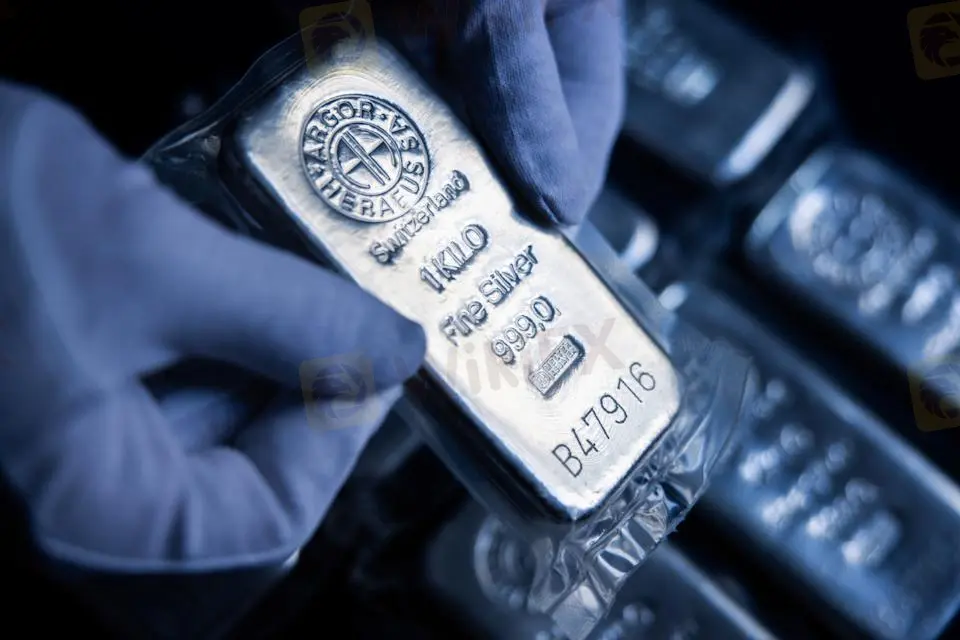
The Crash by the Numbers
The pullback was swift and severe. Spot gold plunged as much as 5%, marking its largest intraday drop since October 21. Silver suffered even heavier losses, tumbling 11%, its biggest single-day decline since September 2020.
Just hours prior, both metals were celebrating record peaks. However, technical indicators suggest the rally had become overextended. The 14-day Relative Strength Index (RSI)—a key momentum gauge for traders—had been sitting deep in “overbought” territory (above 70) for two weeks. Historically, such readings often precede a sharp pullback as the market cools down.
“Dont Read Into Massive Moves”
While the drop appears dramatic, analysts suggest this is a function of market mechanics rather than a fundamental shift.
Michael Haigh, head of FIC and Commodity Research at Societe Generale, noted that the end of the year is typically plagued by low liquidity, which makes price swings more violent.
“Dont read into massive moves,” Haigh advised. He explained that the decline is primarily due to profit-taking following a historically strong seasonal period. Over the last decade, gold has typically gained around 4% and silver nearly 7% during the year-end window. After such a run, a correction was arguably overdue.
Silvers Wild Ride: The China Factor & Margin Hikes
Silver has been the center of intense speculative action, gaining over 25% since mid-December before Monday's crash.
The volatility was partly driven by a surge in investment demand from China. Premiums for spot silver in Shanghai skyrocketed to $8 an ounce above London prices—the widest spread on record. “The speculative atmosphere is very strong,” noted Wang Yanqing, an analyst at China Futures Ltd. “Its a bit extreme now.”
In response to the overheating market, exchanges are stepping in to reduce risk. CME Group Inc. announced it will raise margin requirements for certain Comex silver futures contracts starting Monday. Higher margins force traders to put up more capital to keep positions open, often forcing smaller speculators to close out their trades, adding downward pressure to prices.
WikiFX Takeaway
For forex and commodity traders, Mondays price action serves as a crucial reminder of the risks associated with low-liquidity holiday markets. While the long-term bullish sentiment for metals may remain, the combination of technical overbought signals and exchange interventions (margin hikes) has triggered a necessary clearing of speculative froth.