Abstract:While tokenized stocks promise global, round-the-clock trading, many platforms only offer synthetic exposure similar to CFDs. Without shareholder rights or deep liquidity, their added value remains in question.
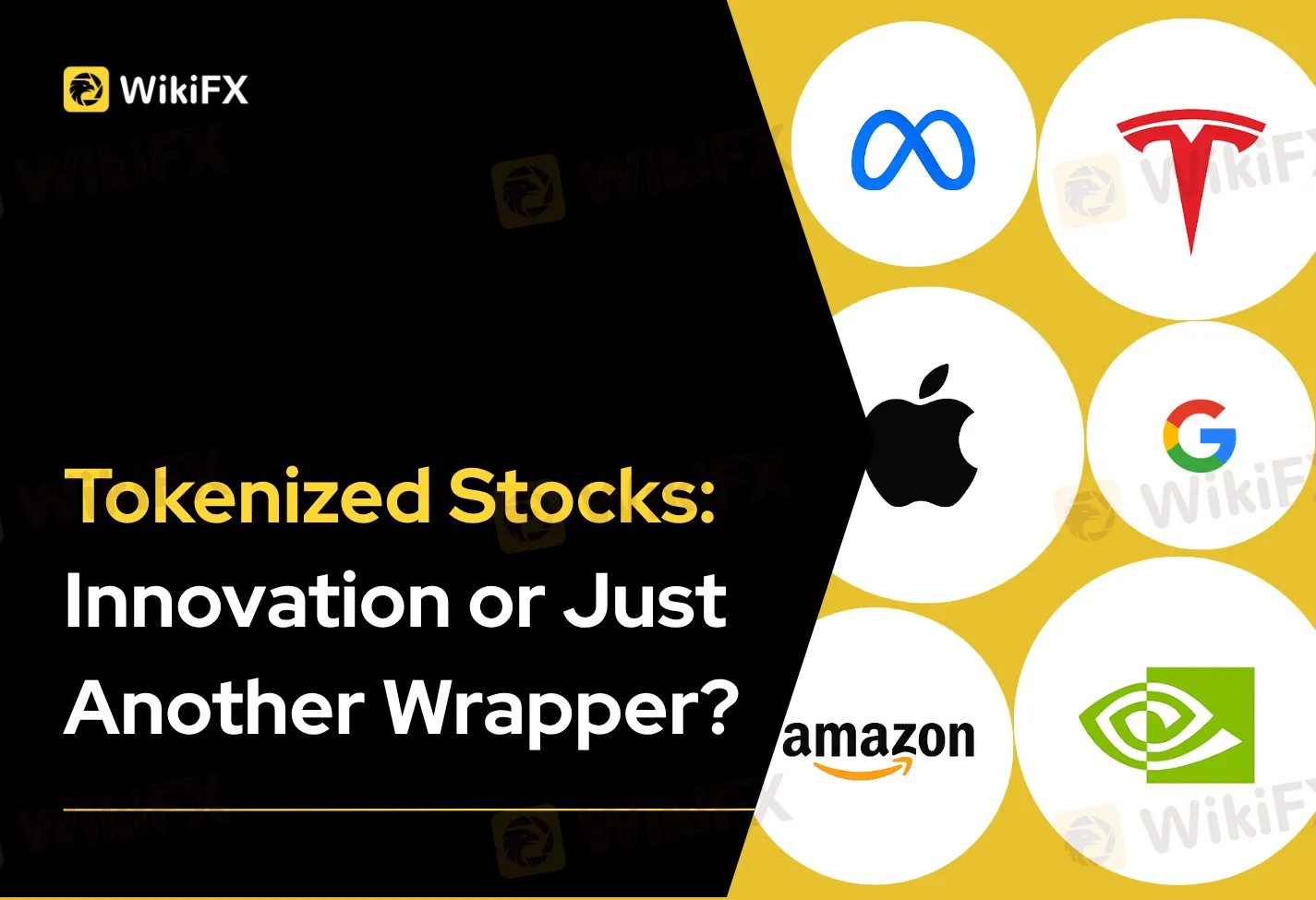
Tokenized stocks are gaining momentum as platforms like Robinhood, Kraken, and Bybit offer synthetic equity assets to users outside the United States. These blockchain-based tokens track the value of real-world shares, promising benefits like 24/7 trading, instant settlement, and fractional ownership. However, beneath the surface of innovation lies a familiar structure—one that closely resembles Contracts for Difference (CFDs), raising questions about whether tokenized stocks offer any real advantages over existing products.
The Real Value Proposition—And Its Limits
Tokenized stocks are structured to mimic real equities through custodians or special-purpose vehicles holding the underlying shares. This approach enables users to gain exposure to companies like Tesla or Apple without owning the stock directly. Supporters hail this as a revolutionary step toward democratizing access to U.S. capital markets, particularly in Europe where regulation is more accommodating. Robinhood, for instance, has launched over 200 tokenized stocks in Europe on Arbitrum, while Kraken and Bybit partner with Swiss-based Backed Finance to issue Solana-based tokens.
But critics argue that the core offering—price exposure without ownership rights—is not new. CFDs have offered similar features for years, including leverage, small trade sizes, and quick access. Tokenized stocks may simply be “a wrapper,” says Freedx executive Anton Golub, offering no shareholder rights, such as dividends or voting power. In this light, the promise of “democratization” may feel more like a marketing strategy than a structural breakthrough.
Liquidity and Compliance: The Achilles Heels
Despite the hype around 24/7 markets, liquidity is still a problem. Market makers cannot hedge risk during weekends or holidays, meaning traders are often quoted wide spreads with questionable execution quality. Furthermore, since most platforms exclude U.S. users, global adoption remains fragmented. The lack of interoperability with traditional exchanges also limits arbitrage, restricting price efficiency.
Compliance is another hurdle. Many of these platforms operate outside the U.S. due to regulatory uncertainty. In contrast, Coinbase is attempting to launch tokenized stock trading within the U.S. under SEC oversight, hoping to pave a more compliant path. Without regulatory clarity, however, tokenized stocks remain largely confined to specific jurisdictions, limiting their long-term potential.
Conclusion
Tokenized stocks represent an interesting evolution in fintech, blending blockchain technology with traditional financial instruments. Yet, for all the talk of innovation, they currently replicate many features of CFDs without providing true equity ownership. Until regulatory frameworks mature and platforms solve liquidity and governance challenges, tokenized stocks may remain a niche alternative rather than a game-changer in global markets.