Retiree loses over RM337,000 in Facebook investment scam
Authorities warn public to verify financial transactions as pensioner duped by fake online investment
简体中文
繁體中文
English
Pусский
日本語
ภาษาไทย
Tiếng Việt
Bahasa Indonesia
Español
हिन्दी
Filippiiniläinen
Français
Deutsch
Português
Türkçe
한국어
العربية
Abstract:Over $172,000 lost in POSB phishing scams since April. Learn how to protect yourself from banking fraud with these crucial safety tips.
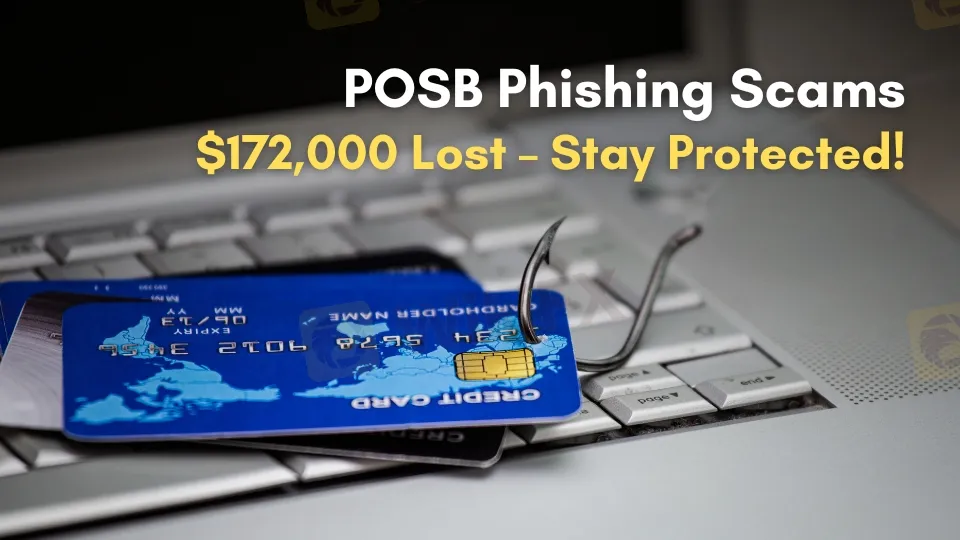
Since April, phishing scams targeting POSB customers have led to at least $172,000 in losses. The police have received 13 reports related to these scams, where cybercriminals impersonate the bank to steal personal information.
Victims receive an email that appears to be from POSB, claiming that their mobile banking digital token is about to expire. The email urges them to activate or update their token by clicking on a link provided in the message.
However, this link directs them to a fraudulent website designed to steal sensitive information. Once victims enter their banking credentials, card numbers, and one-time passwords, their accounts are compromised. Unauthorized transactions, often in foreign currencies, typically alert them to the scam.
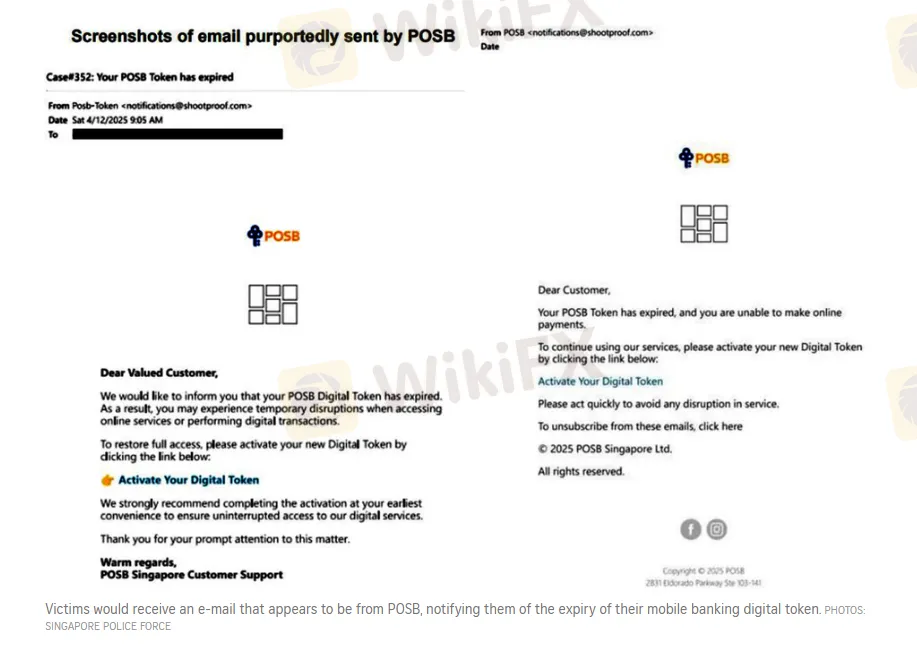
On May 6, police issued a public warning, advising people to avoid clicking on links in suspicious emails, SMS messages, or communications from platforms like iMessage or Androids rich communication services, which claim to be from banks.
To prevent such attacks, customers are encouraged to set transaction limits on their internet banking and utilize features like Money Lock. Money Lock allows users to digitally secure their savings in an account from which no funds can be withdrawn, adding an extra layer of protection.
Singapore experienced a record $1.1 billion in scam losses in 2024, highlighting the growing threat of phishing fraud. Victims are urged to stay cautious and avoid interacting with unsolicited messages or clicking on unknown links.


Disclaimer:
The views in this article only represent the author's personal views, and do not constitute investment advice on this platform. This platform does not guarantee the accuracy, completeness and timeliness of the information in the article, and will not be liable for any loss caused by the use of or reliance on the information in the article.

Authorities warn public to verify financial transactions as pensioner duped by fake online investment

Failed to withdraw funds from the BDSWISS trading account despite multiple attempts? Did the broker reject your fund withdrawal application without any reason? Did the high slippage lead to massive capital losses? Was the customer support team far from ideal? Many traders have reported these issues online. In this BDSWISS review article, we have examined several such complaints against the forex broker.

When your capital is at risk, trust isn't just a feeling - it's something you can measure. For traders thinking about using the broker Evest, one question is impossible to avoid: Is Evest a trusted partner for your investments, or does it put your investments at serious risk? The answer to this important question, "Is Evest Safe or Scam?", isn't found in the company's ads. You find it by comparing what the broker officially says with the real, often worrying experiences of actual users. This review won't rely on guessing. Instead, we'll take a deep look at the broker's legal status and, more importantly, the number and types of real Evest complaints. Our research is based on public information, mainly from the worldwide broker research platform, WikiFX, to show the truth about Evest's reputation.

XPO Markets, a Comoros-based brokerage entity, is in the news for negative reasons. These include the alleged INR 3,100 crore fund scam complaint filed by 3 lakh Indians in November 2025. Such a scam puts a serious question mark on the authenticity of this forex broker. In this XPO Markets review article, we have highlighted the million-dollar scam along with the risk parameters associated with this broker.