FCA-Regulated Forex Brokers Are Declining — 31 Platforms to Avoid
As of December 1, 2025, a total of 105 companies in the United Kingdom held CFD licences.
Original

简体中文
繁體中文
English
Pусский
日本語
ภาษาไทย
Tiếng Việt
Bahasa Indonesia
Español
हिन्दी
Filippiiniläinen
Français
Deutsch
Português
Türkçe
한국어
العربية

Abstract:Philippine peso forecast 2025: Will it hit P60 vs US dollar? Key factors include Fed rate cuts, BSP policies, trade deficit, elections, and global trends.
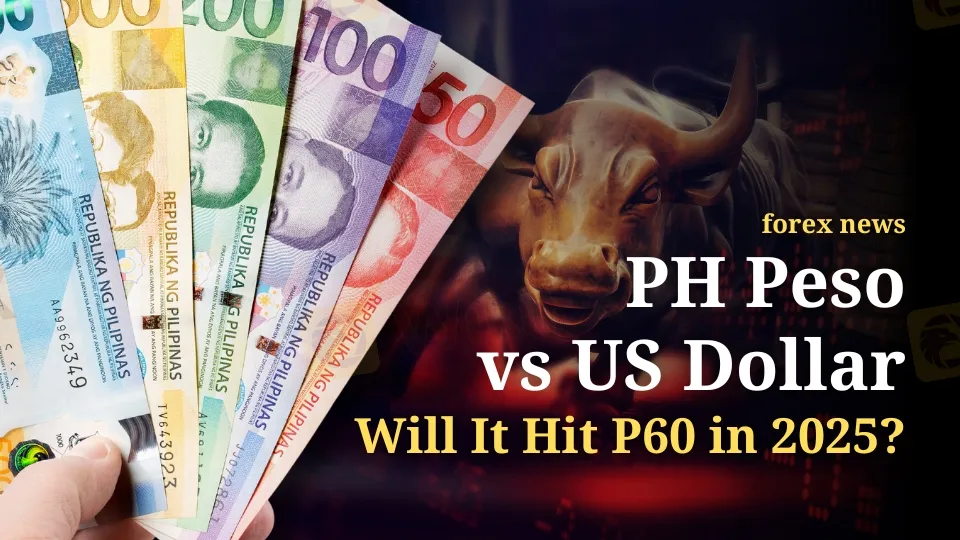
Could the Philippine peso really hit P60 against the US dollar in 2025? It‘s a question that’s got everyone from economists to ordinary Filipinos talking. And honestly, the answer depends on a tangled web of global trends and local developments.
“The PHP breaching the P59 mark depends on several key factors,” says John Paolo R. Rivera, Senior Research Fellow at the Philippine Institute for Development Studies. He points to external pressures—like how strong the USD is—and domestic challenges such as the trade deficit. Its not as simple as watching exchange rates; there are layers to this.
To give you a snapshot, the peso closed at P58.20 per dollar at the start of the year. Thats a slight dip from its previous P57.91 finish, based on Bankers Association of the Philippines data. Not drastic, but enough to keep people on edge.
The Development Budget Coordination Council (DBCC) hopes the peso will stabilize between P56 and P58 against the dollar in 2025. Nice thought, but analysts arent so sure.
“We expect the currency to range between P57.75 and P58.25 in the near term,” says Jonathan L. Ravelas, Senior Adviser at Reyes Tacandong & Co. Hes not sugar-coating things though. “The peso could weaken to P60,” he warns, pointing fingers at trade disruptions and protectionist policies.

If that‘s not concerning enough, Ravelas adds, “The forex rate could close at around P58.90 by the end of 2025.” Not quite the news you want to hear if you’re hoping for stability.
A strong US dollar under Donald Trump‘s presidency? Yep, it’s possible. “Fiscal policies from the previous administration may keep US Treasury yields high, attracting capital back to the US and weakening emerging-market currencies like the PHP,” Rivera explains.
But it‘s not just about the global stage. Here at home, the Philippine midterm elections in May could shake things up too. “Markets may anticipate shifts in economic policy or investor confidence depending on the candidates’ platforms,” Rivera adds. Translation? Brace yourselves for potential currency swings.
And let‘s not forget about other influences: global oil prices, remittances from overseas Filipino workers, and that pesky trade deficit. Rivera sums it up by saying that structural reforms and economic stability are the real game-changers. Without them, the peso’s struggles might just get worse.
Managing forex volatility is no walk in the park, but Enrico P. Villanueva, an economics lecturer at the University of the Philippines Los Baños, remains optimistic. “Significant fluctuations are unlikely unless triggered by local or geopolitical events,” he says. And even if things go sideways, Villanueva believes the BSPs active intervention can soften the blow.
So, whats next for the peso? Analysts think 2025 will be a rollercoaster year, with ongoing volatility driven by monetary policies and political shifts.
“If the Fed begins cutting interest rates by mid-2025, the US dollar could weaken, providing some relief for the peso. But it all boils down to the pace and timing of these cuts,” Rivera points out. No pressure, Fed. Traders are already pricing in 37 basis points of US rate cuts for 2025, but significant reductions aren‘t expected until May. Meanwhile, the BSP’s own rate decisions will play a big role in shaping the pesos journey. “Faster rate cuts without considering global trends could exacerbate peso weakness,” Rivera warns.
And let‘s not forget BSP Governor Eli Remolona’s cautious approach. “We‘re reducing rates in baby steps while keeping an eye on inflation risks,” he says. In other words, don’t expect any bold moves.
Leonardo A. Lanzona, an economist at Ateneo de Manila University, says the peso‘s challenges run deeper than surface-level trends. “Continued reliance on imports has increased the value of foreign currency, raising forex rates and inflation expectations,” he explains. Not exactly uplifting, but it’s a reality check.
Rivera suggests the peso might hover between P57 and P59 in the first half of 2025. The second half? It all depends on global conditions easing and whether the Philippine economy shows some resilience.
The Philippine pesos fate in 2025 is a delicate balancing act. Global monetary trends, political developments, and domestic reforms will all play a part in determining whether it stabilizes or struggles. While the chance of hitting P60 looms, decisive action by the BSP and government could offer some relief. For long-term stability, though, the Philippines needs more than just luck—it needs proactive strategies and bold reforms to build resilience and safeguard its currency.

Disclaimer:
The views in this article only represent the author's personal views, and do not constitute investment advice on this platform. This platform does not guarantee the accuracy, completeness and timeliness of the information in the article, and will not be liable for any loss caused by the use of or reliance on the information in the article.

As of December 1, 2025, a total of 105 companies in the United Kingdom held CFD licences.
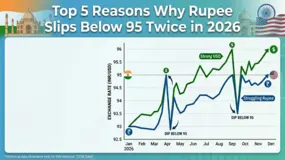
Times are tough for the rupee as it again slipped to 95 against the USD towards the end of April 2026 after some gains due to the RBI-led interventions early this month. The depreciation is largely attributable to surging crude oil prices. The prices climbed to their 3-year high over the US-Iran conflict. On April 30, 2026, the rupee opened at 95.02 mark against the USD, sliding 0.2% from its previous day’s ending at 94.84 against the greenback. As the day progressed, it slipped further to a new record low of 95.32 against the USD, beating the earlier fall of 95.22 in March 2026.

In the latest news that further establishes India as the destination for gold, the data issued by CareEdge Ratings demonstrated the country’s never-ending love for the yellow metal with a record investment surge of approximately 40% of overall consumption in Calendar Year 2025. This is arguably the highest in recent times. The ETF inflows alone added 37.5 tonnes, surpassing the combined investment of the last ten years. According to the ratings agency, geopolitical uncertainty and record prices made people quickly move away from jewellery.

BotBro is a Dubai-based forex broker that has continued to grab headlines for years, with its name being involved in one scam after another. In the latest episode, its name was found in the alleged INR 800 crore forex and crypto trading scam in Goa. Top-level agencies, including the Enforcement Directorate (ED), are investigating the case. They have labeled the platform as a Ponzi scheme. The platform is disguised as an AI-powered forex trading app. In connection with this case, the Goa Police Economic Offences Cell (EOC) filed a First Information Report (FIR) against 10 individuals, including the company owner, Lavish Chaudhary Alias Nawab Ali, for fund misappropriation worth over INR 7.3 crore. Read on as we share the BotBro review in this article.
 WikiFXWikiFXWikiFXWikiFXWikiFXWikiFXWikiFXWikiFXWikiFXWikiFX
