Acetop UK Reports 2025 Loss as Trading Volumes Drop to $9.5 Billion
Acetop Financial Limited posted a £35,691 pretax loss in 2025 after revenue declined and trading volumes fell 21% to about $9.5 billion.
Original

简体中文
繁體中文
English
Pусский
日本語
ภาษาไทย
Tiếng Việt
Bahasa Indonesia
Español
हिन्दी
Filippiiniläinen
Français
Deutsch
Português
Türkçe
한국어
العربية

Abstract:Learn how to avoid Forex scams in the Philippines with tips on identifying fraudulent brokers, using regulated brokers, and reporting scams to protect your investments.
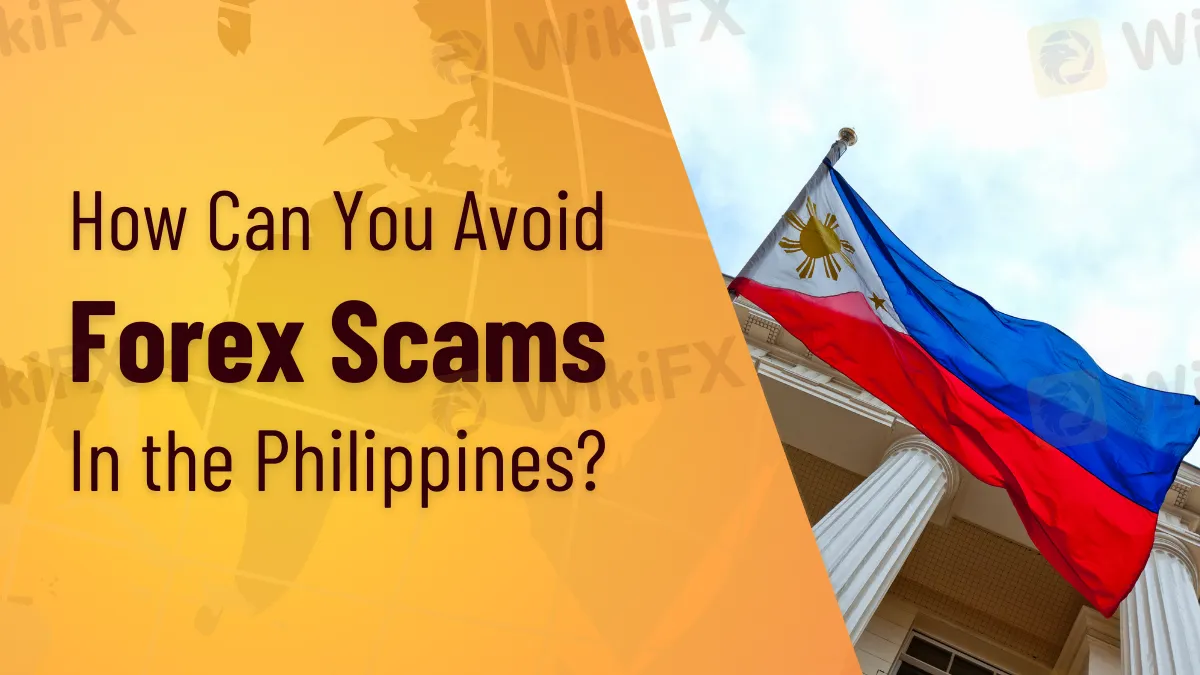
The Forex market, with its massive daily trading volume of $6.6 trillion, is one of the most attractive financial markets worldwide. In the Philippines, many have turned to Forex trading in hopes of generating additional income. However, with its growing popularity, the market has also drawn the attention of scammers and fraudulent brokers. A significant concern is that most Forex brokers in the Philippines operate offshore and are not regulated by local authorities like the Securities and Exchange Board of the Philippines (SEBI). As a result, Filipino traders are often at risk when dealing with unregulated or fraudulent brokers.
This article offers key strategies for Filipino Forex traders to protect themselves from scams, avoid unreliable offshore brokers, and safely navigate the Forex trading environment.
Forex trading scams are designed to deceive and defraud investors. These scams often promise high returns with little to no risk, enticing traders with offers that seem too good to be true. Many Filipino traders, particularly beginners, are drawn in by such promises and ultimately fall prey to these schemes.
Scammers frequently pose as legitimate brokers, making it challenging for inexperienced traders to spot them. Offshore brokers, in particular, are a common source of scams. Since SEBI does not regulate international brokers, many Filipinos unknowingly engage with brokers outside local regulatory authority, increasing their vulnerability to fraud.
Due to the absence of local regulation, many Filipino traders turn to offshore Forex brokers. While some of these brokers are legitimate, many exploit the lack of oversight and run scams that leave traders with little to no recourse in case of fraud. The lack of regulation is particularly alarming because it leaves Filipino investors unprotected when dealing with brokers based outside the Philippines.
To stay safe, its crucial to understand that SEBI does not regulate offshore brokers. As a result, protective measures are often lacking. This makes thorough research and caution essential when choosing to engage with offshore Forex brokers.

One of the most important rules in Forex trading is never to allow anyone to trade on your behalf unless they have the proper license. It is illegal for individuals or companies to manage investments without a SEBI license. Unfortunately, many fraudulent brokers convince traders to hand over control of their accounts, only to vanish with the funds.
In today's digital age, scams often start on social media platforms like Facebook and Instagram. Reports indicate that over half of all Forex scams originate from social media, where fraudsters use fake testimonials, impressive screenshots, or fabricated success stories to build trust. It is essential to avoid engaging with anyone offering investment opportunities through social media, particularly those guaranteeing high returns.
Forex trading comes with inherent risks, and no one can guarantee profits. Be cautious of any broker or individual promising guaranteed returns or claiming to have a “foolproof” strategy. Forex trading is speculative, and the market's volatility makes it impossible to assure profits.
The most effective way to avoid scams is by trading with regulated brokers. Legitimate brokers should display their license numbers on their websites, which can be verified with the relevant regulatory authority. In countries like the UK, Australia, and Europe, brokers are regulated by authorities such as the Financial Conduct Authority (FCA) in the UK, the Australian Securities and Investments Commission (ASIC), and the Cyprus Securities and Exchange Commission (CySEC).
Although the Philippines lacks local regulation for international brokers, choosing brokers from well-regulated regions offers added protection. These regulatory bodies enforce strict rules to ensure brokers operate transparently and fairly.

Beyond verifying a broker's regulatory status, it is also important to read reviews from trustworthy and independent sources. Fraudulent brokers often create fake reviews or testimonials to deceive potential investors. Ensure that you rely on unbiased platforms that provide accurate and transparent broker evaluations.
Recognizing the red flags of a scam broker is crucial. Common warning signs include pressure selling, promises of unrealistic returns, and requests for upfront fees or deposits that seem suspicious. By learning to spot these indicators, traders can protect themselves from falling into the trap of dishonest brokers.
If you suspect that you have been scammed by a Forex broker, immediately report the incident to SEBI. While SEBI does not regulate offshore brokers, it can provide guidance on how to proceed and raise awareness within the trading community about fraudulent activities.
Additionally, several platforms allow traders to report scam brokers and share their experiences. While these platforms may not be able to take legal action, they can help prevent future scams and hold fraudulent brokers accountable.
Forex trading can be highly profitable, but it is essential to remain cautious, especially when dealing with offshore brokers. Filipino traders must understand the risks, recognize the signs of fraudulent brokers, and prioritize working with regulated entities. By following these precautions, you can significantly reduce the risk of falling victim to a Forex trading scam and trade more securely in the Philippines.
Forex trading can be lucrative but risky with unregulated brokers. Learn how to protect yourself from scams, spot red flags, and choose regulated brokers. For essential updates and tips, visit the WikiFX news page.

Disclaimer:
The views in this article only represent the author's personal views, and do not constitute investment advice on this platform. This platform does not guarantee the accuracy, completeness and timeliness of the information in the article, and will not be liable for any loss caused by the use of or reliance on the information in the article.
Acetop Financial Limited posted a £35,691 pretax loss in 2025 after revenue declined and trading volumes fell 21% to about $9.5 billion.
ORCA MARKETS, a Saint Lucia-based forex broker, is reportedly facing many complaints from users as of mid 2026. They frequently complain about the app that refuses to work properly for hours, preventing them from taking the right position to unleash market movement. Complaints have been made about fund losses and deposit failures on the platform. These allegations made it imperative to investigate the broker on different aspects, including the regulatory oversight. We have done so in this ORCA MARKETS review article.
Did your attempt to withdraw funds from the LOYAL PRIMUS platform lead to your account deactivation by the broker? Did the broker prevent you from withdrawing when you made profits? Did the broker cancel your withdrawal application by accusing you of suspicious trading activity? These allegations have grown in numbers on independent broker review tools such as WikiFX. In this LOYAL PRIMUS review article, we have examined all these allegations thoroughly.
Failed to withdraw funds from the Eurotrader platform despite repeated requests? Do you fail to trade due to persistent login issues? Has the customer support service failed to resolve the issue? Did you also face wide spreads that led to a massive profit reduction? All these user allegations have become strong headlines on broker review platforms such as WikiFX. Through this Eurotrader review article, we have shared the user allegations along with a regulatory overview.
 WikiFXWikiFXWikiFXWikiFXWikiFXWikiFXWikiFXWikiFXWikiFXWikiFX
