Acetop UK Reports 2025 Loss as Trading Volumes Drop to $9.5 Billion
Acetop Financial Limited posted a £35,691 pretax loss in 2025 after revenue declined and trading volumes fell 21% to about $9.5 billion.
Original

简体中文
繁體中文
English
Pусский
日本語
ภาษาไทย
Tiếng Việt
Bahasa Indonesia
Español
हिन्दी
Filippiiniläinen
Français
Deutsch
Português
Türkçe
한국어
العربية

Abstract:The Hong Kong Securities and Futures Commission (SFC) issued a stern warning to JPEX, highlighting false advertising practices and the absence of proper licensing. This article delves into the JPEX scandal, its implications, and the broader context of cryptocurrency regulation in Hong Kong.
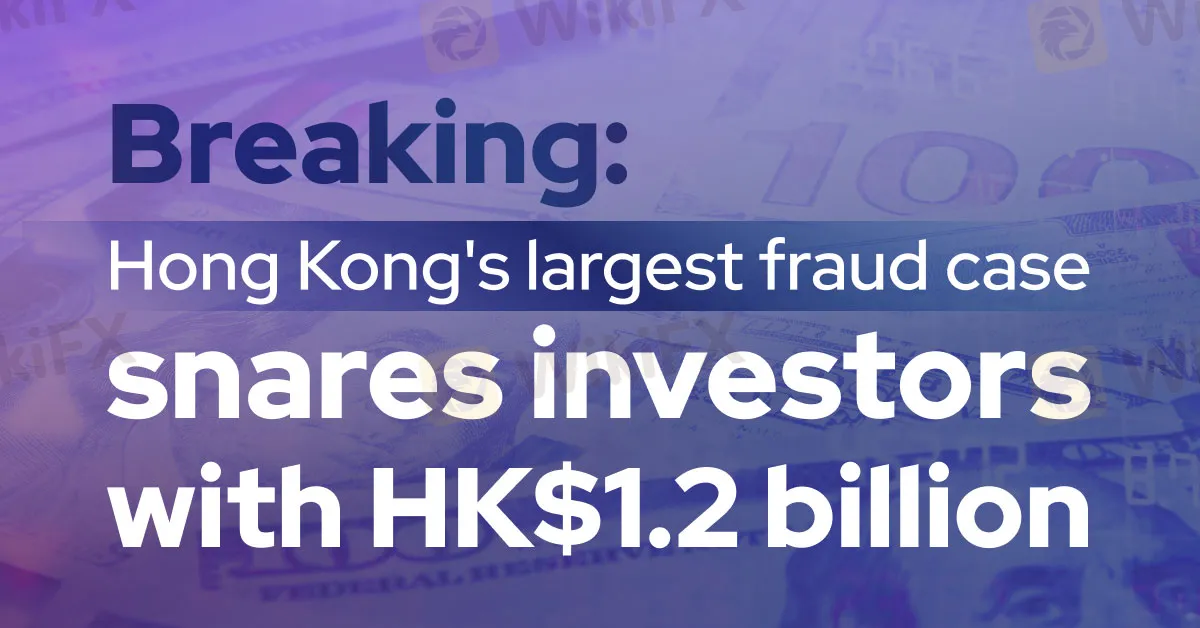
In recent years, JPEX, a virtual asset trading platform, has gained immense popularity in Hong Kong. However, a series of alarming events have raised concerns about the platform's legitimacy and user protection. Reports of users being unable to withdraw funds, drastic withdrawal limits, and exorbitant fees have sent shockwaves through the cryptocurrency community. On September 13, the Hong Kong Securities and Futures Commission (SFC) issued a stern warning to JPEX, highlighting false advertising practices and the absence of proper licensing.
JPEXs Marketing Strategies in HK
JPEX's aggressive marketing strategies added fuel to the controversy. The platform inundated television screens, outdoor advertising spaces, and bus station lightboxes with advertisements, creating a significant presence in Hong Kong's media landscape.
The SFC's Warning
The Hong Kong Securities and Futures Commission (SFC) issued a specific warning to JPEX regarding false and misleading advertising tactics, often involving online celebrities (Kols) and Over-The-Counter (OTC) exchange shops. Importantly, the SFC clarified that none of the entities under the JPEX Group possessed the necessary licensing to operate a virtual asset trading platform in Hong Kong. In response, the SFC took action by informing influencers and off-site swap shops of their concerns and suspicions, urging them to cease promoting JPEX and its services.
Shutdown
On September 18, JPEX announced the removal of all transactions from its financial management page, citing unlicensed operations as the reason. This abrupt decision left users in a state of uncertainty and raised further questions about the platform's authenticity.
The Arrest of Joseph Lam Chok
Adding to the intrigue of the JPEX scandal was the arrest of Joseph Lam Chok, a Hong Kong Internet celebrity who publicly claimed to be seeking a partnership with JPEX. Lam's arrest occurred in the wake of the controversy, as the Commercial Crime Bureau of the Hong Kong police executed a search warrant at his office, seizing boxes of potential evidence. Joseph Lam Chok's notoriety stemmed from his lavish lifestyle and numerous scandals, making him a controversial figure in the online celebrity world.
Hong Kong's largest fraud case
The financial ramifications of the JPEX scandal are significant, with more than 1,600 investors affected, resulting in losses amounting to HK$1.2 billion (US$154 million). This makes it the largest financial fraud case in Hong Kong's history. The incident underscores the risks faced by local retail investors in the fast-growing world of cryptocurrencies, despite the government's efforts to transform Hong Kong into a virtual asset hub.
Conclusion
The JPEX incident highlights the critical importance of cryptocurrency regulation and the need for individuals to exercise caution when investing in virtual assets. The JPEX scandal serves as a stark reminder of the risks and challenges associated with the cryptocurrency industry. It emphasizes the vital role of regulatory bodies in protecting investors and maintaining the integrity of financial markets. As Hong Kong navigates this crisis, it faces a crucial test in its pursuit of becoming a global fintech hub while ensuring the safety and security of its investors in the virtual asset space.

Disclaimer:
The views in this article only represent the author's personal views, and do not constitute investment advice on this platform. This platform does not guarantee the accuracy, completeness and timeliness of the information in the article, and will not be liable for any loss caused by the use of or reliance on the information in the article.
Acetop Financial Limited posted a £35,691 pretax loss in 2025 after revenue declined and trading volumes fell 21% to about $9.5 billion.

Did your attempt to withdraw funds from the LOYAL PRIMUS platform lead to your account deactivation by the broker? Did the broker prevent you from withdrawing when you made profits? Did the broker cancel your withdrawal application by accusing you of suspicious trading activity? These allegations have grown in numbers on independent broker review tools such as WikiFX. In this LOYAL PRIMUS review article, we have examined all these allegations thoroughly.

Failed to withdraw funds from the Eurotrader platform despite repeated requests? Do you fail to trade due to persistent login issues? Has the customer support service failed to resolve the issue? Did you also face wide spreads that led to a massive profit reduction? All these user allegations have become strong headlines on broker review platforms such as WikiFX. Through this Eurotrader review article, we have shared the user allegations along with a regulatory overview.

VITTAVERSE, a Seychelles-based forex broker, is constantly receiving negative comments from traders worldwide on issues concerning withdrawals. The list of complaints also includes the allegation of illegitimate profit deductions without any valid reason by the trading enterprise. Further allegations highlighted the reduction in the trading account balance of some. Considering the rising complaints, it was important for us to prepare an in-depth VITTAVERSE review article. This article contains a list of user allegations along with our opinion on the overall scenario, including the regulatory oversight for the broker.
 WikiFXWikiFXWikiFXWikiFXWikiFXWikiFXWikiFXWikiFXWikiFXWikiFX
