Acetop UK Reports 2025 Loss as Trading Volumes Drop to $9.5 Billion
Acetop Financial Limited posted a £35,691 pretax loss in 2025 after revenue declined and trading volumes fell 21% to about $9.5 billion.
Original

简体中文
繁體中文
English
Pусский
日本語
ภาษาไทย
Tiếng Việt
Bahasa Indonesia
Español
हिन्दी
Filippiiniläinen
Français
Deutsch
Português
Türkçe
한국어
العربية

Abstract:The Malaysian government's carefully crafted policies play a crucial role in shaping the forex trading landscape in the country, fostering investor protection and market development. From stringent regulation of forex brokers to measures that encourage foreign investment, these policies have made Malaysia's forex market well-regulated and increasingly attractive to traders.
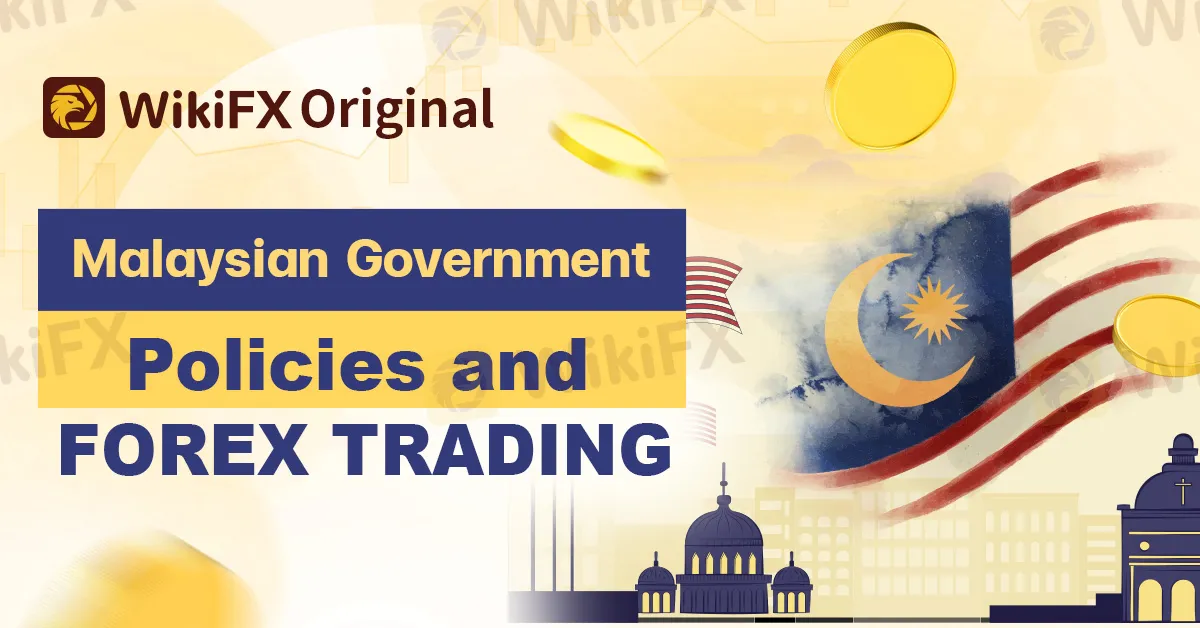
The Malaysian government has several policies that affect forex trading in the country. These policies are designed to protect investors and promote the development of the forex market in Malaysia.
One of the most essential government policies is the regulation of forex brokers. The Bank Negara Malaysia must license all forex brokers operating in Malaysia. This ensures that brokers meet certain standards of financial stability and customer protection.
The Malaysian government also imposes certain restrictions on forex trading. For example, there are limits on the amount of leverage forex traders can use. This is designed to protect traders from excessive risk.
In addition, the Malaysian government has several policies promoting the development of Malaysia's forex market. For example, the government provides tax breaks to forex brokers and investors. This helps to attract foreign investment to the Malaysian forex market.

The Malaysian government's policies have helped to make forex trading a popular activity in Malaysia. Several licensed forex brokers operate in the country, and the market is well-regulated. As a result, forex traders in Malaysia can be confident that they are operating in a safe and transparent environment.
Here are some of the specific government policies that affect forex trading in Malaysia:
The Foreign Exchange Administration Policy (FEAP): The FEAP sets out the rules and regulations governing forex trading in Malaysia. It covers topics such as the licensing of forex brokers, the use of leverage, and the reporting of transactions.
The Anti-Money Laundering and Counter-Terrorism Financing Act (AMLA): The AMLA requires forex brokers to take steps to prevent money laundering and terrorist financing. This includes verifying the identity of customers and reporting suspicious transactions.
The Consumer Protection Act (CPA) protects consumers from unfair and deceptive practices. This includes providing consumers with clear and accurate information about forex trading risks.
The Malaysian government's policies have positively impacted the forex market in Malaysia. The market is now well-regulated and transparent, which has attracted foreign investment and made it a more attractive destination for forex traders. As a result, the forex market in Malaysia is expected to continue to grow in the years to come.
If you are interested in forex trading in Malaysia, knowing the government's policies is crucial. This will help you to understand the risks involved and to make informed trading decisions. You can find more information about the government's policies on the Bank Negara Malaysia and the Securities Commission Malaysia websites or by keeping up with WikiFX as we continuously update information about all forex-related queries.

Disclaimer:
The views in this article only represent the author's personal views, and do not constitute investment advice on this platform. This platform does not guarantee the accuracy, completeness and timeliness of the information in the article, and will not be liable for any loss caused by the use of or reliance on the information in the article.

Acetop Financial Limited posted a £35,691 pretax loss in 2025 after revenue declined and trading volumes fell 21% to about $9.5 billion.

ORCA MARKETS, a Saint Lucia-based forex broker, is reportedly facing many complaints from users as of mid 2026. They frequently complain about the app that refuses to work properly for hours, preventing them from taking the right position to unleash market movement. Complaints have been made about fund losses and deposit failures on the platform. These allegations made it imperative to investigate the broker on different aspects, including the regulatory oversight. We have done so in this ORCA MARKETS review article.
Did your attempt to withdraw funds from the LOYAL PRIMUS platform lead to your account deactivation by the broker? Did the broker prevent you from withdrawing when you made profits? Did the broker cancel your withdrawal application by accusing you of suspicious trading activity? These allegations have grown in numbers on independent broker review tools such as WikiFX. In this LOYAL PRIMUS review article, we have examined all these allegations thoroughly.

Failed to withdraw funds from the Eurotrader platform despite repeated requests? Do you fail to trade due to persistent login issues? Has the customer support service failed to resolve the issue? Did you also face wide spreads that led to a massive profit reduction? All these user allegations have become strong headlines on broker review platforms such as WikiFX. Through this Eurotrader review article, we have shared the user allegations along with a regulatory overview.
 WikiFXWikiFXWikiFXWikiFXWikiFXWikiFXWikiFXWikiFXWikiFXWikiFX
