Is Straits Financial Regulated? Straits Financial Regulation
Verified details on Straits Financial regulation. Learn about their MAS license status and how Straits Financial's regulation protects your trading capital.
Original

简体中文
繁體中文
English
Pусский
日本語
ภาษาไทย
Tiếng Việt
Bahasa Indonesia
Español
हिन्दी
Filippiiniläinen
Français
Deutsch
Português
Türkçe
한국어
العربية

Abstract:The regulator said some firms are posing "unacceptable risks" to customers. FCA has also seen evidence of "elevated fraud rates" among some firms.
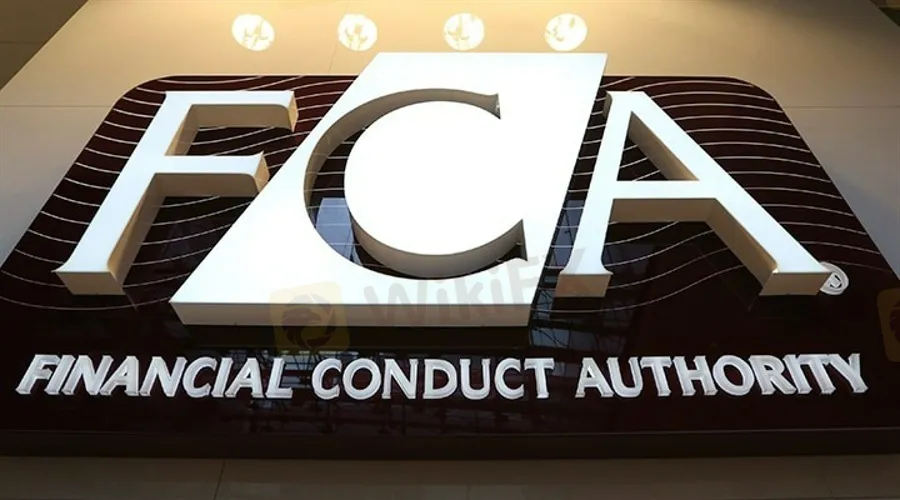
The Financial Conduct Authority, the UKs top financial regulator, has scolded many payments firms in the country, including payment institutions (PIs) and electronic money institutions (EMIs) for lacking “sufficiently robust controls,” thereby posing “unacceptable risks” to their customers. The watchdog also said it has evidence of financial crimes in the operations of payment firms in the country over the last two years.
Matthew Long, the Director of Payments and Digital Assets at the FCA, disclosed these in a 10-page-long letter addressed to chief executive officers of payment firms under the authoritys supervision. Financial Times reports that the letter was addressed to 291 CEOs.
“The ability to provide bank-like services, willingness to service high-risk customers, and weaknesses in some firms systems and controls, make PIs and EMIs a target for bad actors,” Long noted.
FCA Speaks on Elevated Frauds, Safeguarding Customers Funds
In the letter, Long noted that the regulator in its work with PIs and EMIs over the past two years has identified “material issues” with the firms financial crime systems and controls. These include failure to carry out adequate know-your-customer proceduresand regularly review and refresh risk assessments and control frameworks in an evolving threat landscape.
“We have seen evidence of elevated fraud rates in some PIs and EMIs. We are also concerned that there could be a further increase in fraud as a result of the cost-of-living crisis. This makes it essential that firms take action now to address weaknesses in their systems and controls to prevent fraud,” Long explained.
On safeguarding customers‘ funds in case of insolvency, the director explained that the watchdog has identified “common failings” such as firms not firms not having documented processes for consistently identifying which funds are ’relevant funds and must be safeguarded.
Furthermore, he noted that in obedience to a 2020 guidancefor payment firms to annually audit their safeguarding arrangement, some firms are yet to appoint auditors. The regulator added that “we are not being consistently informed of adverse findings or the actions being taken to address them.”
Still on customer safety, the FCA director noted that many payment firms are yet to create “wind-down plans” and those that have already done so fail to meet expectations. It added that some of the plans appear “over-optimistic” about the time it would take to wind-down.
FCA Faults Unauthorized Acquisitions, Poor Service Delivery
Writing further in the letter, Long noted that while the regulator had seen good examples of positive innovation by the payment firms, it has also identified cases where products and services “do not consistently deliver good customer outcomes” and where payment firms do not act in customers best interests.
In addition, the director noted that the regulator has seen instances where payments services and electronic money firms finalized acquisition plans without FCA approval. The regulator described this as a criminal offence, warning that it may use its prosecution powers to object to them.
“We will continue to intervene using our full range of supervisory tools. In cases where firms cant meet the conditions for authorization, we will take more assertive action sooner and will remove or sanction firms who cannot or will not meet our standards,” Long noted.

Disclaimer:
The views in this article only represent the author's personal views, and do not constitute investment advice on this platform. This platform does not guarantee the accuracy, completeness and timeliness of the information in the article, and will not be liable for any loss caused by the use of or reliance on the information in the article.
Verified details on Straits Financial regulation. Learn about their MAS license status and how Straits Financial's regulation protects your trading capital.

When looking for a good forex broker, safety should be your top priority. This Land Prime review looks at a broker that used to be called Land-FX. We're not trying to sell you anything - we want to give you honest facts about its services, fees, and serious problems that users have reported. We'll look at real experiences from traders, both good and bad, so you can see the full picture. This review will help you understand the big risks that users have reported on websites like WikiFX, so you can make a smart choice about your capital.
Verified facts on CHINA FUTURES regulation. Learn about the CSRC licensing and compliance of China Securities Futures Co., Ltd. for secure trading.
Verified data shows GIFX regulation is non-existent. Labeled a suspected fake clone with a 1.25 score. Use the WikiFX App to protect your funds today.
 WikiFXWikiFXWikiFXWikiFXWikiFXWikiFXWikiFXWikiFXWikiFXWikiFX
