FCA-Regulated Forex Brokers Are Declining — 31 Platforms to Avoid
As of December 1, 2025, a total of 105 companies in the United Kingdom held CFD licences.
Original

简体中文
繁體中文
English
Pусский
日本語
ภาษาไทย
Tiếng Việt
Bahasa Indonesia
Español
हिन्दी
Filippiiniläinen
Français
Deutsch
Português
Türkçe
한국어
العربية

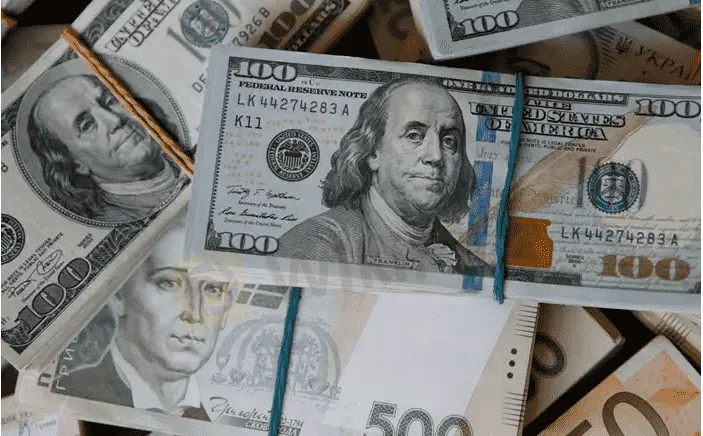
Abstract:-The dollar rose against a basket of major currencies on Tuesday, reversing course after three straight sessions of declines as recession fears grew and investors awaited a Federal Reserve policy statement, while energy supply concerns weighed on the euro.
European Union countries approved a weakened emergency plan to lessen gas demand on Tuesday, after striking compromise deals to limit the cuts for some countries, as they gird for further Russian reductions in supply.
Risk-off sentiment helped boost the dollar, as U.S. equities were pulled lower following a profit warning from retail giant WalMart, which said it would slash prices to reduce inventory.
The Fed is widely expected to raise interest rates by 75 basis points on Wednesday, with investors keeping a close eye on the central banks forward guidance as it grapples with high inflation and the potential for a recession. Last week, the European Central Bank (ECB) raised rates by 50 basis points.
“The writing is on the wall for the euro. I know it has been a punching bag for quite some time, but these growth concerns are not going to get any better, the energy crisis it just seems like it is only going to get worse,” said Edward Moya, senior market analyst at Oanda in New York.
“There are growing risks we could see investors become a little bit more nervous that it might not just be a very brief recession, that it could be a little bit more hard-hitting so you are probably still going to see that safe-haven flows into the dollar are likely to remain the focal point for many traders.”
The dollar index rose 0.714% at 107.180, with the euro down 0.98% to $1.012. The euro was on pace for its biggest daily percentage drop since July 11.
Data showed U.S. consumer confidence fell for a third straight month in July, while new home sales dropped to their lowest level in more than two years, signaling an economy that may be susceptible to a recession.
On Thursday, investors will get the advance reading for second-quarter gross domestic product, while Friday will bring the release of personal consumption expenditures, the Feds preferred inflation measure.
A second straight quarter of negative growth would result in what is known as a technical recession by analysts, although an official declaration of a recession from the National Bureau of Economic Research, which uses a more comprehensive definition, would likely come much later.
On Monday, Russian energy giant Gazprom, citing instructions from an industry watchdog, said gas flows to Germany through the Nord Stream 1 pipeline would fall to 33 million cubic meters per day from Wednesday, or half of the current flow, which was already at only 40% capacity.
The euro also fell 0.87% against the safe-havens yen to 138.450 and was down 1.1% against the Swiss franc at 0.975.
The Japanese yen weakened 0.07% versus the greenback to 136.78 per dollar, while sterling was last trading at $1.2024, down 0.15% on the day.
In cryptocurrencies, bitcoin last fell 5.75% to $20,894.37 after Bloomberg News reported the U.S. Securities and Exchange Commission (SEC) is investigating whether Coinbase Global improperly let Americans trade digital assets that should have been registered as securities.

Disclaimer:
The views in this article only represent the author's personal views, and do not constitute investment advice on this platform. This platform does not guarantee the accuracy, completeness and timeliness of the information in the article, and will not be liable for any loss caused by the use of or reliance on the information in the article.
As of December 1, 2025, a total of 105 companies in the United Kingdom held CFD licences.

Has Dbinvesting failed to honor your fund withdrawal requests? Did you notice that the broker remained fine when you were losing and turned worse as your numbers gained on the Dbinvesting login? Did the broker wipe out your profits and block your trading account? Many such allegations from users across India, the US and other regions have become headlines on broker review platforms such as WikiFX. To make it comprehensive, we have prepared an in-depth investigation report into user allegations, the company’s products and services, and, importantly, regulatory status, in this Dbinvesting review article.
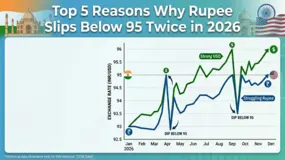
Times are tough for the rupee as it again slipped to 95 against the USD towards the end of April 2026 after some gains due to the RBI-led interventions early this month. The depreciation is largely attributable to surging crude oil prices. The prices climbed to their 3-year high over the US-Iran conflict. On April 30, 2026, the rupee opened at 95.02 mark against the USD, sliding 0.2% from its previous day’s ending at 94.84 against the greenback. As the day progressed, it slipped further to a new record low of 95.32 against the USD, beating the earlier fall of 95.22 in March 2026.
When you ask, "Is AssetsFX legit?", you're asking an important question about keeping your funds safe. After looking at all the available information, the answer is concerning: AssetsFX shows serious risks that traders should worry about. Our research found multiple problems that can't be overlooked. WikiFX, a website that checks brokers worldwide, gives AssetsFX only 2.44 points out of 10. They also warn users: "Low score, please stay away!" This very low rating isn't random. It comes from two main problems: the company doesn't have proper licenses from respected authorities, and many users have complained about losing funds. This article will explain the evidence behind this rating, giving you the facts you need to make a smart choice and protect your investments.
 WikiFXWikiFXWikiFXWikiFX
