ASIC Review Leads to Millions in Refunds After Widespread CFD Rule Breaches
After detecting major compliance failures, ASIC secures refunds for thousands of CFD traders and forces changes across the brokerage industry.
简体中文
繁體中文
English
Pусский
日本語
ภาษาไทย
Tiếng Việt
Bahasa Indonesia
Español
हिन्दी
Filippiiniläinen
Français
Deutsch
Português
Türkçe
한국어
العربية
Abstract:On Friday, the South African rand climbed, although it gave up some of its early gains as the dollar gained momentum. Since the beginning of the year, investor mood and trade actions have been swinging back and forth due to uncertainties about the extent and timing of possible US monetary tightening
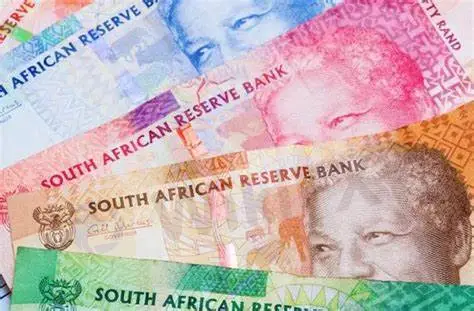
On Friday, the South African rand climbed, although it gave up some of its early gains as the dollar gained momentum. Since the beginning of the year, investor mood and trade actions have been swinging back and forth due to uncertainties about the extent and timing of possible US monetary tightening. Following less aggressive comments from Federal Reserve Chairman Jerome Powell and largely in line unemployment data in the United States, Fed Governor Lael Brainard said on Thursday that rates will rise in March, helping the dollar's recovery.
The rand was trading at 15.3579 vs the dollar at 1540 GMT, up 0.27 percent from its previous close, although in choppy activity. On Friday, the dollar appeared to be on course to end a three-day losing trend versus a basket of currencies.
“The South African rand has soared against the US dollar since late November 2021, but this may be coming to an end with the Federal Reserve bolstering its already hawkish narrative - favoring a 'buy the dip' strategy,” Warren Venketas, currency analyst at DailyFX, said in a note.According to him, the rand bounce may be coming to an end as the country's shaky economic and political background takes its toll. Following global markets, South Africa's stock market finished down, with banking, financials, mining, and industrials shedding much of their recent gains.
The all-share index (.JALSH) fell 1.01 percent to 75,160 points, while the blue-chip index of the top 40 businesses (.JTOPI) down 1.07 percent to 68,448 points. However, because to a strong mid-week run in tech, commodities, and financial companies, the indices were still over 1.6 percent up on the week. On Friday, the price of the government's benchmark 2030 bond increased, while the yield fell 0.5 percentage points to 9.365 percent.


Disclaimer:
The views in this article only represent the author's personal views, and do not constitute investment advice on this platform. This platform does not guarantee the accuracy, completeness and timeliness of the information in the article, and will not be liable for any loss caused by the use of or reliance on the information in the article.

After detecting major compliance failures, ASIC secures refunds for thousands of CFD traders and forces changes across the brokerage industry.

The Australian Dollar (AUD) advanced against the US Dollar on Thursday after stronger-than-expected employment data reinforced expectations that the Reserve Bank of Australia (RBA) may maintain a tighter monetary policy stance for longer. Meanwhile, the US Dollar remained steady as easing trade tensions offset reduced expectations for near-term Federal Reserve rate cuts.

WikiFX has launched the “Inside the Elite” Interview Series, featuring outstanding members of the newly formed Elite Committee. During the committee’s first offline gathering in Dubai, we conducted exclusive interviews and gained deeper insights into regional market dynamics and industry developments. Through this series, WikiFX aims to highlight the voices of professionals who are shaping the future of forex trading — from education and compliance to risk control, technology, and trader empowerment.

Summary: A real post from a member of the Bitcoin Thai Community struck a chord this December — a crypto trader shared that he lost nearly 10 million Thai baht (about $270,000) trading futures. What began as quick gains spiraled into a complete account wipeout due to high leverage, frequent trading, and repeated top-ups fueled by overconfidence. This painful experience illustrates a timeless trading lesson: markets don’t ruin people — emotions and lack of discipline do.