Breaking: USD/JPY Breaks Through 1 Year Highs
USD/JPY just broke through 1-year highs earlier than expected.
Original

简体中文
繁體中文
English
Pусский
日本語
ภาษาไทย
Tiếng Việt
Bahasa Indonesia
Español
हिन्दी
Filippiiniläinen
Français
Deutsch
Português
Türkçe
한국어
العربية

Abstract:Stephen Roach, a senior researcher at Yale University, is anxious that the constantly changing global landscape and the huge budget deficit of the United States would lead to a collapse in USD.
WikiFX News (20 June) - Stephen Roach, a senior researcher at Yale University, is anxious that the constantly changing global landscape and the huge budget deficit of the United States would lead to a collapse in USD.
Roach believes that the US economy has been constantly plagued by severe macro-imbalance factors, namely, a very low domestic savings rate and a long-term current account deficit. He believes that USD will fall sharply and estimates that USD will fall against other major currencies by 35%.
According to Roach, the national saving rate may be greater than the negative growth in the economic history of the United States or any major economies. He believes that the United States is moving away from globalization and devoting itself to isolating America from the rest of the world, which is a deadly combination.
Roach believes that the collapse in USD is almost inevitable, and it is a risk that investors should not ignore. “in general, the collapse of USD would exert a negative influence on US financial assets.” he said. “This shows that as we import more expensive foreign commodities from overseas, there might be higher inflation, which would bring a negative impact on interest rates.”
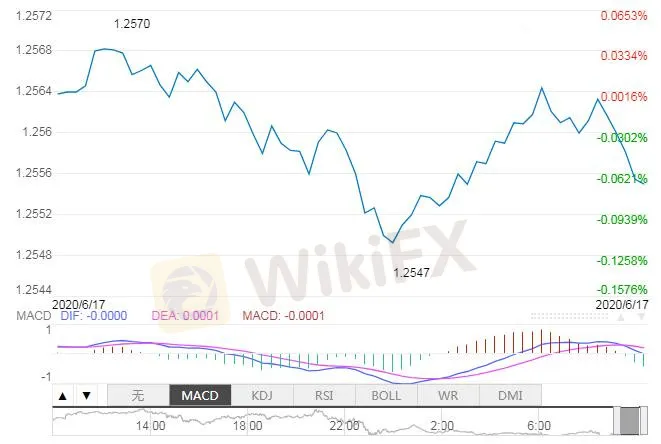
The picture shows the trend of the pound against the dollar on June 17.
The above information is provided by WikiFX, a world-renowned foreign exchange information query provider. For more information, please download the WikiFX App. bit.ly/WIKIFX
Disclaimer:
The views in this article only represent the author's personal views, and do not constitute investment advice on this platform. This platform does not guarantee the accuracy, completeness and timeliness of the information in the article, and will not be liable for any loss caused by the use of or reliance on the information in the article.

USD/JPY just broke through 1-year highs earlier than expected.
A Good Week For the US Dollar As It Gains Strongly Against Other Major Pairs.

Performance like this hasn't been seen since 2021

The EUR/USD pair ended the week in the red last week as many investors remained in a holiday mood. It was trading at 1.1720, down slightly from last year’s high of 1.1910 ahead of key events this week.
 WikiFXWikiFXWikiFXWikiFXWikiFXWikiFXWikiFXWikiFXWikiFXWikiFX
